Best Plants for Head Planters UK
Ripleys Nest · plant pot guide
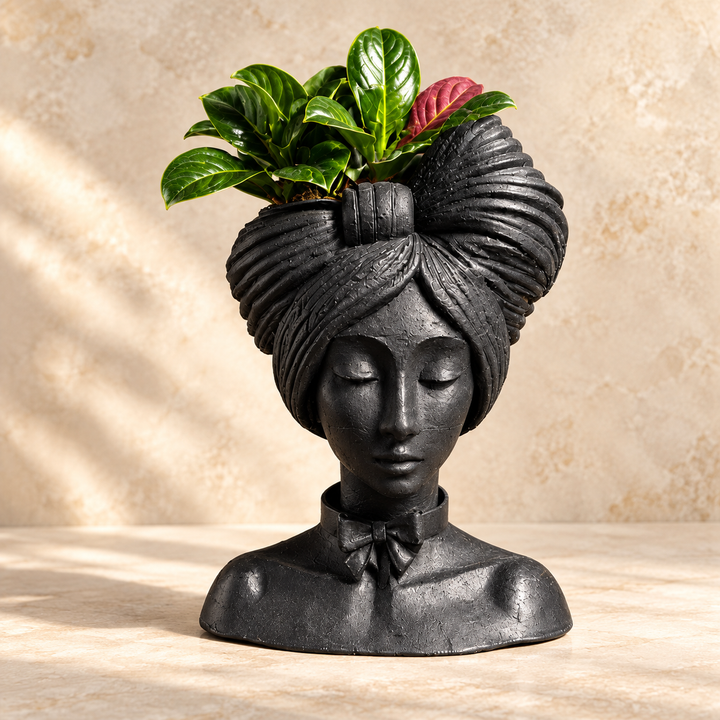
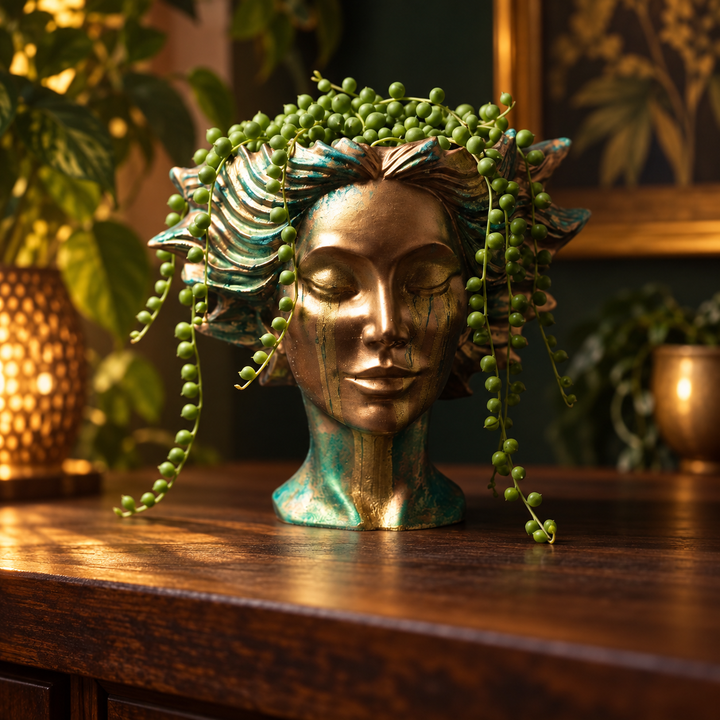
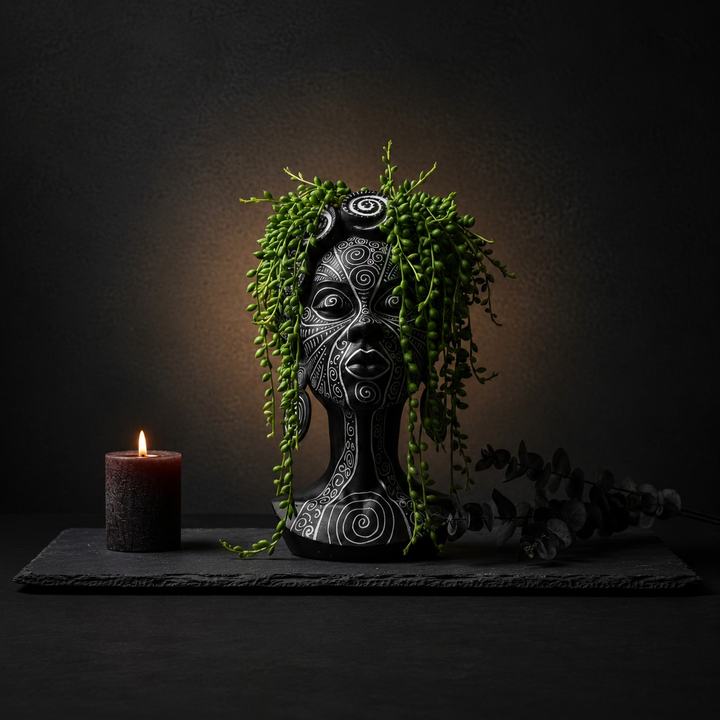
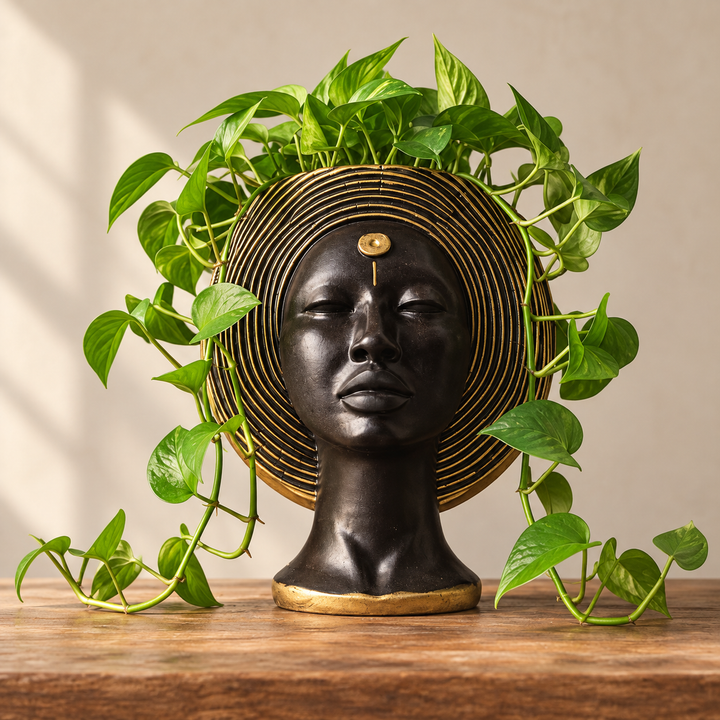
The easiest head planter styling trick is to treat the plant like hair or a crown. Trailing plants soften the face. Upright plants add height. Compact plants keep the sculpture crisp.
Quick answer
For most head planters, start with a small trailing plant if you want a soft, living-hair look. Choose an upright plant if the pot will sit on the floor, a plinth, or a wide shelf where extra height makes sense.
Always check the plant's nursery pot size against the planter opening before ordering. If you are using a cache-pot setup, keep the plant in its own inner pot so watering is easier to manage.
Shop head planters
Simple rule: trailing for movement, upright for drama, compact for a tidy sculptural look.
What works best
| Plant style | Good for | Why it works |
|---|---|---|
| Trailing plants | High shelves, sideboards, mantlepieces | They fall around the face and make the planter feel softer. |
| Upright plants | Floor stands, plinths, clear corners | They add height and make the bust feel more sculptural. |
| Compact plants | Desks, windowsills, narrow shelves | They keep the planter shape visible and tidy. |
| Artificial stems | Low-light rooms or awkward spots | They give the look without worrying about watering or light. |
Plant ideas by look
For a soft trailing look
Try pothos, trailing ivy, string of hearts, or a small trailing fern. These suit head planters because they break up the edge of the pot and give movement around the sculpture.
For a taller statement
Try a small snake plant, peace lily, spider plant, or upright fern. These work when the planter has room around it and the plant can rise above the head shape.
For a clean sculptural look
Try a compact peperomia, small fittonia, small fern, or artificial foliage. This keeps the face, finish, and silhouette easy to see.
Water carefully and lift the inner pot out where you can. That helps protect the planter surface and keeps the plant easier to care for.
How to plant a head planter
Choose the plant and its position together. Compare the plant's nursery pot with the planter opening and usable interior space: the sculpture's overall height does not tell you whether that pot will fit.
- Choose the spot. Match the plant to the available light and leave room for growth. Trailing foliage can frame the face on a high shelf; a compact plant keeps the features visible on a table.
- Check the pot. Read the particular planter's drainage and care details. For a decorative outer-pot arrangement, use a nursery pot with drainage inside and check that both fit comfortably. Do not assume every design has a drainage hole.
- Water away from the display. Lift the inner pot out where practical, water for that plant's needs and let excess water drain before returning it. Do not leave it standing in collected water, and protect the surface below.
- Check the balance. Use a level surface away from edges. Leave room for the foliage rather than crowding the opening.
Succulents in a face pot
A compact succulent can give a face pot a crown-like silhouette. Choose the variety for the light you have, use a draining inner pot that fits and a suitable free-draining compost. Follow that plant's care advice: succulents differ in their light, water and winter needs. Check the variety before choosing an outdoor position.
For plant care, see the RHS guide to growing plants in containers and RHS succulent growing guide. Compare the opening and care details in our head and face planters.
Head planters to style
Choose a head planter you enjoy looking at, then compare its opening, size and care details before choosing a plant.
 Gold Face Plant Pot | Golden Tears Bust Planter
See options and current prices
 Spiral Face Plant Pot | African Head Planter
See options and current prices
 Art Deco Face Plant Pot | Gold Head Planter
See options and current prices
 Teal Face Plant Pot | African Head Planter
See options and current prices
Questions people usually ask
Should I use real or artificial plants in a head planter?
Either can work. Real plants give the best natural movement, but artificial stems are useful in dark corners or places that are hard to water.
What plant gives the best hair effect?
A trailing plant usually gives the strongest hair effect. Pothos, trailing ivy and string of hearts are common choices for that look.
Do head planters need drainage?
Check the individual product option before ordering. If you are unsure, a nursery pot inside the planter is the simplest setup.
What should I check before buying?
Check the planter opening, the nursery pot size, the room light, and where the leaves will fall. A plant that looks right in the space matters more than choosing the trendiest variety.
New to Ripleys Nest? Join the list for 10% off your first order.
From our shop