Guide9 min read
How to Choose Rat Cage Accessories
Choose by the job your cage needs
For themed rat cage accessories in the UK, start with the job the cage needs: a hide for cover, shelves for climbing, cups for foraging, and bowls for feeding. Gothic rat cage accessories and fairy rat cage accessories work best when the theme still gives rats usable places to hide, perch and explore.
Not sure your cage is big enough? Try our rat cage size and fit calculator.
Rat hideouts, mats and accessories
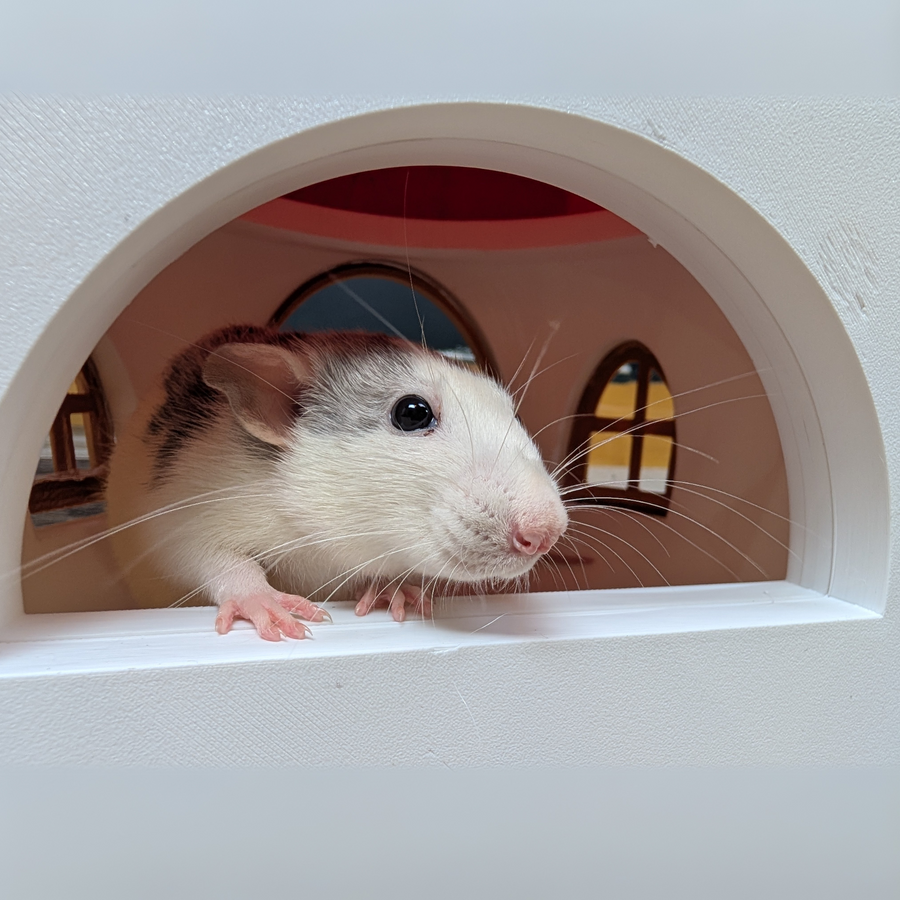
For rat hideouts, choose a covered space that feels secure, has enough room for the rats using it, and can be cleaned properly. For mats, many owners use washable fleece or fabric liners from pet suppliers; Ripleys Nest focuses on harder cage pieces such as hides, shelves, bowls and foraging accessories.
If you are building a cage from scratch, choose the essentials first: a hide, water, food bowls, a climbing shelf or ledge, and something that makes feeding more active.
Ripleys Nest rat cage accessories
Ripleys Nest makes UK rat cage accessories for enrichment, climbing, hiding and feeding. The most useful setup is a mix of hides, ledges or shelves, bowls, foraging cups and secure fittings, chosen around how your rats move through the cage.
- Shop rat cage accessories when you want to compare hides, shelves, bowls and enrichment pieces together.
- Fairy mushroom rat cage accessory kit is the fuller cage setup option with multiple coordinated pieces.
- Teapot rat hide and shelf set is a smaller hide-and-perch option for cage enrichment.
- Read the safety guide before choosing decorative cage pieces, especially for chewing, cleaning and supervision.
Quick answer: the best rat cage accessories give your rats a real job in the cage: somewhere to hide, climb, perch, feed, forage, or rest. Start with one stable hide, one shelf or ledge for movement, a feeding point, and a small foraging option before adding themed pieces.
Rat cage accessories quick answer
Quick answer: the best rat cage accessories are the pieces that add a clear job to the cage. Start with cover, climbing, food interest and easy cleaning before choosing decorative pieces.
If you are building a first setup, use the rat cage setup guide. If your rats are bored, compare rat cage enrichment ideas. If you want a themed cage, read the safe decorative cage guide before choosing pieces.
QUICK READ
Start here
This page is here to make the next choice easier. Read the guide, keep the practical points, then use the shopping choices below when you are ready to compare pieces.
- Start with the problem you are solving.
- Compare size, placement and daily use before choosing.
- When you’re ready, use the links below to compare the pieces.
Decorative accessories can work well when they are stable, easy to inspect, easy to clean, and useful for the rats. If a piece only looks good in a photo and does not help the cage layout, keep it outside the cage.
RAT CARE
Which rat accessory should you add first?
If you are searching for rat accessories, choose by the job missing from the cage. A hide gives rest, a shelf or ledge adds movement, a food point makes feeding cleaner, and a foraging toy keeps busy rats working for treats.
- Rat hides are the first stop when the cage needs a proper sleeping corner.
- Rat enrichment toys help when the setup needs more foraging and problem solving.
- Rat Care is the wider shop choice when you want to compare accessories by job.
RAT CARE
Choose the right rat cage accessory
For rat accessories UK searches, do not start with the most decorative piece. Start with the part of the cage that needs help: sleep, movement, feeding, foraging, or a calmer first setup.
- Rat Care hub is the full accessory range when you want to compare the range by job.
- Houses and cabins are the first stop when the cage needs a covered rest spot.
- Foraging puzzles help when busy rats need a food-based job.
- Rat cage setup guide is the better starting point if you are still planning the layout before buying pieces.
// CAGE ENRICHMENT
Build enrichment into the cage choice
If you are searching for cage enrichment, start with the path your rats use every day. A useful setup gives them a covered place to settle, a climbing path, a food-searching job and enough open space to move without crowding the cage.
- For a first setup, use the rat cage setup guide before buying extra accessories.
- For food-based enrichment, compare foraging toys and place them away from the main sleeping spot.
- For calmer rest, choose from hides and cabins before adding more decorative pieces.
- For wider planning, use the rat enrichment toys guide to match each item to a real cage job.
Shop by cage need
- Fairy Mushroom Rat Cage Accessory Kit: one hide, two shelves and three hanging foraging cups, with separate fittings for standard wire cage bars. Check the measurements and your cage layout on the product page.
- Teapot Rat Hide and Shelf Set: a smaller hide and shelf choice for a themed cage setup.
- Fairy Mushroom Rat Hide: a focused hide choice when you do not need the full kit.
- Dragon Rat Shelf Set: a climbing and ledge for movement for adding height and movement.
- Rat Diner: a feeding choice for food presentation and daily cage interest.
- Rat Picnic Bench Food Bowl: a raised feeding point for fresh food, treats, and simple mealtime enrichment.
For the full product range, browse the Rat Care hub.
If the search is mainly about bowls, feeders, or rat feeding accessories, use the rat diet and feeding setup guide before choosing a feeding accessory.
What to buy first
- Hide: give the rats a covered place to sleep or settle.
- Shelf or ledge: add a choice through cage height and break up long drops.
- Feeding point: keep food easy to find and easy to clean around.
- Foraging piece: make food more interesting and give the rats a job to do.
- Theme piece: add the style once the useful cage layout is already covered.
Before you choose a rat cage accessory
- Check that it fits your cage space and does not block normal movement.
- Check how it mounts, stands, or sits in the cage.
- Choose pieces you can remove, inspect, and clean.
- Look for a real cage use: hiding, climbing, perching, feeding, or foraging.
- Inspect regularly for chew wear or damage.
Rat bed, rat hide, shelf or cage calculator?
Searches for rat cage accessories often mean different jobs. Use the choice that matches what the cage needs now, then choose the style afterwards.
- Rat bed or rat hide: browse rat hides and cabins when the cage needs a covered sleeping or resting space.
- Rat cage shelf or climbing path: browse rat shelves and ledges when the cage needs safer paths through height.
- Foraging or feeding: read the rat diet and feeding setup guide, then choose the Rat Diner, Rat Picnic Bench Food Bowl, or foraging and training toys when you want food to take more work than a plain bowl.
- Checking cage size first: use the cage comparison guide if you are still deciding whether the cage has enough usable space before adding accessories.
Rat cage accessory questions
What rat accessories should I buy first?
Start with a hide, a shelf or ledge for movement, a feeding point, and something for foraging. Those cover shelter, movement, food, and daily cage interest before you add more themed pieces.
What rat feeding accessories are useful?
Useful rat feeding accessories make food easy to find, easy to clean around, or part of enrichment. Start with one stable feeding point, then use the rat diet and feeding setup guide to plan fresh foods, treats, and bowl placement.
Are decorative rat cage accessories safe?
They can be when they are stable, easy to clean, sized for the cage, and useful for the rats. Avoid loose ornaments, tiny pieces, unknown coatings, rough edges, and anything that blocks movement or cleaning.
What is a good rat cage accessory kit?
A good kit should include pieces that do different jobs. The Fairy Mushroom Rat Cage Accessory Kit is the clearest Ripleys Nest starter choice because it combines a hide, shelves, foraging cups, and fittings.
I searched for a rat bed or rat hide. Where should I start?
Start with the rat hides and cabins collection. Choose a covered space that fits the cage, can be removed for checking, and gives the rats a real resting place.
Should I use the cage calculator before buying accessories?
If you are unsure about cage size or layout, use the cage comparison guide before adding more pieces. It helps you think about usable space, not just empty decoration.
Where should first-time rat owners start?
Start with a practical cage layout before choosing a theme. If you are setting up for new rats, read the first 30 days with pet rats guide alongside the product choices.
Can a rat cage be themed and still practical?
Yes. Choose useful pieces first, then pick a theme. Fairy mushroom, gothic, and dark cage pieces work best when they still give shelter, height, feeding, or foraging value.
RAT CARE
Shop the rat care range
If the guide helped, head to the practical range next. Start with the hub, then compare hides, shelves and foraging pieces by the problem you are trying to solve.


Choose accessories for the space you have
The best rat cage accessories make the cage easier to use, not just fuller. Build from comfort and movement before adding decorative pieces.
Give the rats a reliable resting place before choosing extra pieces around it.
Add shelves or ledges that make the cage easier to cross without long empty drops.
Use bowls, cups or puzzles where the rats can reach them easily without crowding the sleeping spot.
Once the essentials work, choose the pieces that make the cage feel like one planned world.
Rat care paths
If you are planning a cage, start with the setup guide, then use the accessories and enrichment pages to choose the pieces that suit your rats.