Quick Summary
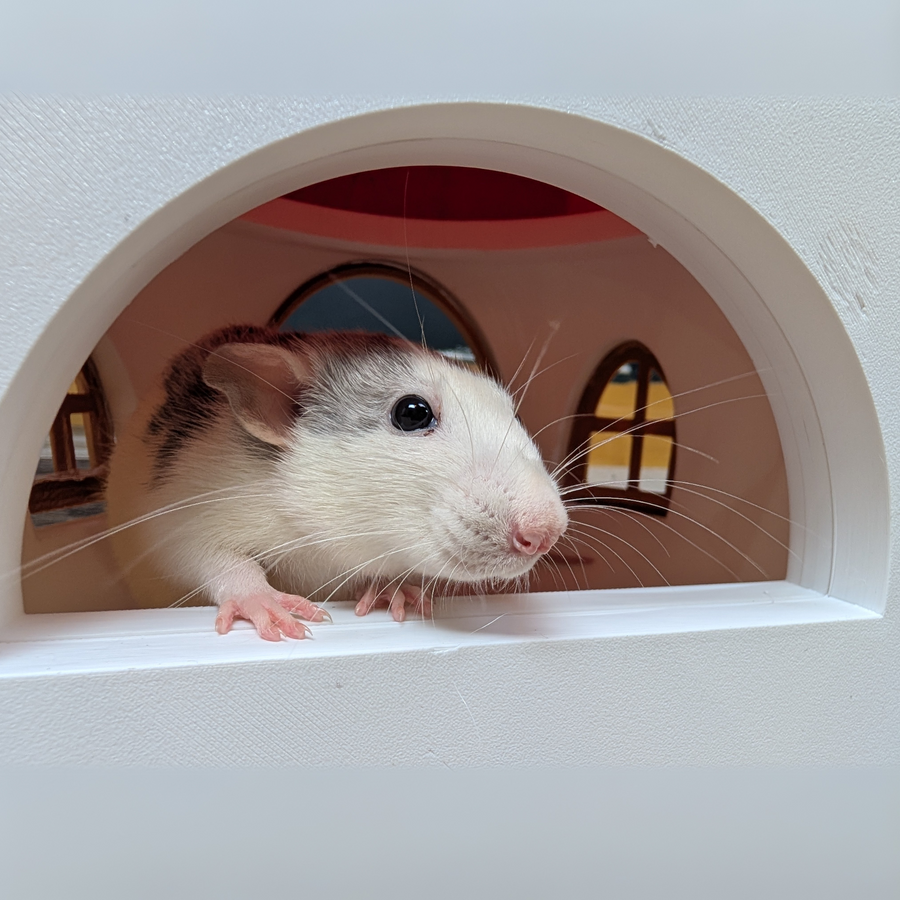
Rats are clever, affectionate pets that need more space, money, and daily attention than most people expect. Before buying, understand that rats require companions (minimum two, ideally three), regular veterinary care, and significant cage space - the true cost of keeping rats well in the UK runs to several hundred pounds per year. This guide covers UK law, real costs, cage setup, diet by life stage, health basics, and the emotional realities of keeping animals that typically live two to three years.
Last updated: March 2026 | Read time: 14 min | Sources: 28 veterinary and welfare references
Quick summary: Rats are clever, affectionate, and genuinely entertaining pets. They also need more space, money, and daily attention than most people expect. This guide covers everything: UK law, real costs, cage setup, diet by life stage, health basics, and the emotional realities of keeping animals that live just two years. Read it before you buy.
In this guide:
- Are rats the right pet for you?
- UK law: your legal duty of care
- How many rats? Always three
- Cage setup: size, type, and placement
- Diet: what to feed at every age
- Health: what you need to know before day one
- The real cost of keeping rats in the UK
- Daily, weekly, and monthly routines
- Are cast stone accessories safe for rats?
- Downloadable: new rat owner checklist
Key TipAlways source rats from a reputable breeder or rescue rather than a pet shop. Breeder rats are typically better socialised, have known health histories, and are less likely to carry respiratory infections.
Are rats the right pet for you?
Always source rats from a reputable breeder or rescue rather than a pet shop. Breeder rats are typically better socialised, have known health histories, and are less likely to carry respiratory infections.
Rats are high-engagement, short-lifespan pets that need daily interaction, regular cage maintenance, and an acceptance that you will lose them sooner than you want.
Rats are not hamsters. They do not sit quietly in a cage and entertain themselves. They want to be out, on you, and involved in whatever you are doing. They learn their names, respond to voices, come when called, and form genuine bonds with their owners.
Research from the Howard Hughes Medical Institute (2023) demonstrated that rats can mentally navigate imaginary spaces, a form of cognitive mapping previously thought unique to humans. These are smart, curious animals that need stimulation.
Rats are right for you if:
- You can give 1+ hours of hands-on time every day
- You are comfortable with regular cage cleaning (every 3-5 days minimum)
- You can budget for unexpected vet bills (there is no mainstream rat insurance in the UK)
- You can handle the emotional weight of a 2-year lifespan
- You have space for a cage at least 90cm x 60cm x 120cm
Rats are not right for you if:
- You want a low-maintenance, watch-from-a-distance pet
- You have uncontrolled cats or terrier-breed dogs with no way to separate them
- You are looking for a pet that lives 5+ years
- You cannot tolerate some level of odour management
Be honest with yourself here. A rat deserves a committed owner.
Key TipThe Animal Welfare Act 2006 requires you to meet five welfare needs for any animal you keep. Failure to provide adequate space, diet, companionship, or veterinary care is a criminal offence in the UK.
UK law: your legal duty of care
The Animal Welfare Act 2006 requires you to meet five welfare needs for any animal you keep. Failure to provide adequate space, diet, companionship, or veterinary care is a criminal offence in the UK.
Under UK law, you are legally required to meet five welfare needs for your rats. Failure to do so is a criminal offence.
The Animal Welfare Act 2006 changed how the UK treats pet ownership. Section 9 places a positive duty of care on anyone responsible for an animal. You do not just have to avoid cruelty. You must actively provide for five needs:
| Welfare Need | What It Means for Rats |
|---|---|
| Suitable environment | Correct cage size, temperature 19-23C, clean air, low ammonia |
| Suitable diet | Balanced nutrition appropriate to the rat's age and health |
| Normal behaviour | Climbing, burrowing, foraging, social play, vertical exploration |
| Social housing | Rats must live with other rats. Solitary housing is a welfare failure |
| Protection from pain | Prompt veterinary treatment. Delaying care for respiratory disease can constitute an offence |
The Animal Welfare (Sentencing) Act 2021 increased the maximum penalty for serious neglect to five years' imprisonment and an unlimited fine. This applies to all companion animals including rats.
If you buy rats from a licensed seller in England, that business must also comply with the Licensing of Activities Involving Animals (England) Regulations 2018, which set welfare standards for commercial breeders and sellers.
This is not bureaucratic detail. It is the legal framework your rat ownership exists within. Know it.
AvoidNever keep a single rat. Lone rats develop chronic stress, depression-like symptoms, and significantly shorter lifespans. Two is the absolute minimum; three or more is better.
How many rats? Always three
Never keep a single rat. Lone rats develop chronic stress, depression-like symptoms, and significantly shorter lifespans. Two is the absolute minimum; three or more is better.
The minimum is two, but experienced keepers and welfare organisations recommend three. A trio is more socially stable and protects against isolation if one rat dies.
Rats are obligately social. Their brain development, particularly the prefrontal cortex, depends on social interaction during a critical window between postnatal days 21 and 42.^1 Research published in Royal Society Open Science confirmed that rats deprived of social play during this period show permanent changes in brain structure, increased aggression, and heightened fearfulness.
Why three, not two:
- If one rat dies, a pair becomes a single. A trio becomes a pair.
- Three rats create more complex and stable social dynamics
- Groups of three or more reduce the risk of bullying between a dominant and subordinate pair
- The RSPCA, Blue Cross, and National Fancy Rat Society all recommend groups over pairs
Same-sex groups work well. Unless you specifically plan to breed (and can home the offspring), never mix un-neutered males and females. A single litter can produce 6-12 pups.
Where to get rats: Reputable breeders, rescue centres, or the NFRS breeder directory. Avoid pet shop rats where possible. Health histories are unknown, and many are bred from feeder stock with no selection for temperament or health.
AvoidCedar and pine bedding are toxic to rats. The phenols in aromatic softwoods cause liver damage and respiratory disease over time. Use paper-based bedding only.
Cage setup: size, type, and placement
Cedar and pine bedding are toxic to rats. The phenols in aromatic softwoods cause liver damage and respiratory disease over time. Use paper-based bedding only.
Rats need far more space than most beginners expect. Height matters as much as floor area. Wire cages with solid floors are the only appropriate option.
Minimum cage dimensions
UK charity recommendations vary, but these are the established standards:
| Source | Minimum for 2-3 Rats | Notes |
|---|---|---|
| Blue Cross | 90cm (L) x 60cm (D) x 120cm (H) | Their recommended minimum for 2-5 rats |
| Woodgreen Pets Charity | 80cm x 50cm x 80cm (up to 4 rats) | 93cm x 63cm x 123cm for up to 10 rats |
| NFRS | 60cm x 30cm x 30cm (absolute minimum for a pair) | Most keepers far exceed this |
| Rescue standards | 6 cubic feet minimum for a pair, +2 cu ft per additional rat | Calculated as usable cage volume |
Height is critical. An adult rat stands 26-30cm tall on its hind legs. Research from the University of Bristol, published in Royal Society Open Science (2016), found that rats in standard 18cm-high cages (the EU legal minimum for laboratories) could not perform a full vertical stretch and showed compensatory lateral stretching, a recognised indicator of positional stress and compromised welfare.^2 Aim for at least 30cm of clear vertical space between each shelf level.
Cage type comparison
| Feature | Wire Cage | Glass Tank/Vivarium | Plastic Bin Cage |
|---|---|---|---|
| Ventilation | Excellent (multi-directional airflow) | Poor (vertical convection only) | Poor to moderate |
| Ammonia management | Best (gas disperses through bars) | Worst (ammonia settles at floor level) | Poor |
| Climbing | Built-in (bars double as climbing surface) | None | None |
| Modification | Easy (hang hammocks, shelves, toys from bars) | Difficult | Moderate |
| Security | Good with correct bar spacing | Excellent (no escape) | Variable |
| Cost | £80-£250+ | £40-£100 | £10-£30 |
| Verdict | Recommended for all rat keepers | Not suitable for rats | Only as temporary/travel housing |
Bar spacing: 1cm maximum. Wider bars and baby rats, dwarf rats, and some adult females will escape. Check this before buying.
Placement
- Temperature: 19-23C. Rats cannot sweat and are vulnerable to heatstroke above 26C. Below 15C, they become sluggish and at risk of hypothermia
- Humidity: 45-55%. Below 30% is associated with "ringtail" (necrotic tail constrictions). Above 70% accelerates ammonia production and bacterial growth^3
- Away from: Direct sunlight, radiators, draughts, kitchens (cooking fumes), speakers and TVs (loud sound)
- Elevated: If possible, raise the cage to waist height. Floor-level cages expose rats to cold draughts and make interaction less natural
Essential cage furniture
Every cage needs, at minimum:
- One hide per rat, plus one extra (prevents resource guarding)
- Shelves and ledges at different heights (rats are vertical explorers)
- A water bottle (bowl drinkers are acceptable but get fouled faster)
- A food dish or scatter-feeding setup
- Hammocks or hanging hides (elevated sleeping keeps rats above floor-level ammonia)
- A litter tray in their preferred toilet corner (most rats toilet-train naturally)
For more on furnishing and enrichment, see our complete enrichment guide.
Diet: what to feed at every age
Pelleted nuggets, not muesli mix. The right protein level changes with age. Fresh vegetables daily.
Why nuggets, not mix
Muesli-style seed mixes cause a problem called selective feeding. Rats pick out high-fat, high-sugar components (sunflower seeds, corn) and leave the nutritious pieces behind. The NFRS and PDSA both recommend monocomponent nuggets or lab blocks where every mouthful delivers the same balanced nutrition.
Selective feeding leads to specific deficiencies. Vitamin A deficiency causes squamous metaplasia of the respiratory epithelium, literally stripping the first line of defence against lung infection.^4 In a species already carrying Mycoplasma pulmonis, this is not a minor concern.
UK brands to look for: Science Selective Rat, Burgess Rat Nuggets, or Beaphar Care+.
Life-stage feeding guide
| Age | Protein | Fat | What to Feed |
|---|---|---|---|
| Kittens (0-12 weeks) | 23-28% | 5-6% | High-quality growth pellets or supplemented adult pellets. Protein supports tissue growth and brain development |
| Juniors (12 weeks - 6 months) | 16-20% | 4-5% | Transition gradually to adult pellets. Still growing but the heaviest growth phase is over |
| Adults (6 months - 18 months) | 10-14% | Under 5% | Standard adult nuggets. Excess protein is linked to chronic progressive nephropathy (kidney failure) in adult rats^5 |
| Seniors (18 months+) | 10-12% | Moderate | Softer foods if dental issues develop. Soaked pellets, cooked egg, easy-to-eat fresh food |
Source: NFRS nutritional guidelines; Rat Guide; PDSA.
Fresh food: the daily supplement
Feed daily, in small amounts:
- Vegetables: broccoli, kale, peas, sweet potato, pak choi, cucumber, bell pepper
- Occasional fruit: blueberries, banana, apple (no seeds), strawberry
- Protein treats: cooked chicken, boiled egg, lentils (1-2 times per week)
Never feed: Citrus (males especially), raw beans, rhubarb, chocolate, caffeine, alcohol, blue cheese, raw sweet potato, green potato or tomato.
Obesity is one of the most significant preventable health issues in UK pet rats. Excess weight puts pressure on the thoracic cavity, worsening respiratory effort, and is a primary risk factor for mammary tumours in females and pituitary tumours in both sexes.^6
Key TipRegister with an exotic animal vet before your rats arrive — not after. Finding a rat-savvy vet in an emergency is significantly harder and more expensive than having one ready from day one.
Health: what you need to know before day one
Register with an exotic animal vet before your rats arrive — not after. Finding a rat-savvy vet in an emergency is significantly harder and more expensive than having one ready from day one.
Respiratory disease is the number one health concern. Nearly every pet rat carries the causative bacterium from birth. Early detection and a clean environment are your best tools.
The Mycoplasma reality
Nearly all pet rats carry Mycoplasma pulmonis. This atypical bacterium colonises the respiratory tract, usually transmitted from mother to pup at birth. It cannot be eliminated. It is lifelong. There are no vaccinations available for pet rats.
In many rats, M. pulmonis remains dormant. Flare-ups are triggered by environmental stress: ammonia from dirty bedding, dust, scented products, temperature fluctuations, and psychological stress. The bacterium damages the cilia (tiny hair-like structures) lining the airways, disabling the mucociliary escalator, the body's primary mechanism for clearing the lungs.^7
For a deep understanding of this condition, read our respiratory health guide.
Health warning signs decision tree
Is your rat sneezing?
→ Has the rat been home less than 72 hours?
- YES, and no other symptoms → Likely new home sneezes (environmental adjustment). Monitor. Keep the cage clean and scent-free. Should resolve within a few days.
- YES, with discharge, lethargy, or weight loss → Vet appointment within 24 hours. New home sneezes do not include systemic symptoms.
- NO, this is an established rat →
→ Are there additional symptoms beyond sneezing?
- Porphyrin staining (red-brown crust around eyes/nose) → Book a vet check. Porphyrin is secreted from the Harderian gland when a rat is stressed, in pain, or ill.^8
- Audible wheezing, clicking, or rattling → Vet appointment within 48 hours. The infection may have reached the lower respiratory tract.
- Weight loss, lethargy, hunched posture, rough coat → Vet appointment within 24 hours. These indicate systemic illness.
- Open-mouth breathing, gasping, cyanosis (blue/pale ears, feet, tail) → EMERGENCY. Vet now. Rats are obligate nasal breathers. Mouth breathing means severe respiratory distress.
Important: This decision tree is a guide, not a diagnosis. When in doubt, call your vet. Early treatment of respiratory disease produces significantly better outcomes than waiting.
Beyond respiratory disease
| Condition | What to Watch For | How Common |
|---|---|---|
| Mammary tumours | Lumps anywhere from neck to groin, often fast-growing | Very common in females over 18 months |
| Pituitary tumours | Gradual loss of coordination, difficulty holding food | Common in older rats of both sexes |
| Ear infections | Head tilt, circling, loss of balance | Moderate (often secondary to respiratory disease) |
| Bumblefoot | Swollen, reddened foot pads | Common with wire mesh floors |
| Mites/lice | Scratching, scabs on shoulders and neck | Moderate (treatable with Ivermectin) |
Find your vet before you need one
Before you bring rats home, identify an exotic-experienced vet in your area. Not every practice sees rats regularly. Ask specifically: "How many rats does your practice see per month?"
Resources:
- The "Rat Vet Reviews UK" Facebook group (community recommendations)
- RCVS Find a Vet (findavet.rcvs.org.uk), filtered by species
- Royal Veterinary College Exotics Service (London referral centre)
In rural areas, the nearest specialist may be a significant drive. Factor travel time into your planning.
The true cost of keeping rats well in the UK runs to several hundred pounds per year — most new owners discover this after they've already bought the rats.
The real cost of keeping rats in the UK
First-year costs run £700-£1,250 for a trio. Monthly ongoing costs are £45-£75. Vet bills are the unpredictable factor.
One-off setup costs
| Item | Budget Option | Mid-Range | Premium |
|---|---|---|---|
| Three rats (breeder/rescue) | £15-£30 | £30-£50 | £50-£80 (rare varieties) |
| Cage | £80-£120 | £150-£200 | £200-£300 |
| Water bottle, food bowls | £5-£10 | £10-£15 | £15-£20 |
| Hides, shelves, hammocks, toys | £30-£50 | £50-£80 | £80-£150 |
| First bedding and food supply | £15-£20 | £20-£25 | £25-£30 |
| Total setup | £145-£230 | £260-£370 | £370-£580 |
Monthly ongoing costs
| Item | Cost Range | Notes |
|---|---|---|
| Food (nuggets + fresh veg) | £10-£18 | Nuggets last several weeks for a trio |
| Bedding / substrate | £10-£18 | Paper-based or hemp. Budget more if changing every 3 days |
| Toy and hammock replacements | £5-£15 | Rats destroy fabric items. Budget accordingly |
| Vet reserve fund | £20-£30 | Non-optional. This is the money that saves your rat's life |
| Total monthly | £45-£81 |
Veterinary costs (UK 2025-2026)
| Service | Typical Cost |
|---|---|
| Routine consultation | £35-£60 |
| Specialist exotic consultation | £125-£245 |
| Emergency out-of-hours visit | £150-£325 |
| Respiratory treatment course (antibiotics + anti-inflammatory) | £50-£120 |
| Tumour removal surgery | £150-£400+ |
| Euthanasia (when the time comes) | £30-£80 |
Most pet insurance providers in the UK do not cover rats. The proposed CMA veterinary reforms include a prescription cap at £16 and mandatory written estimates for treatments over £500, but these are not yet law.
The vet reserve fund is the single most important monthly cost. At some point, your rats will need treatment. A trio of rats over their 2-year lifespan will likely need 2-4 vet visits at minimum. Setting aside £20-£30 monthly means you are not choosing between your rat's health and your budget.
Interactive element spec: UK Rat Cost Calculator
Location: embedded after cost tables. Inputs: number of rats, cage budget tier (budget/mid/premium), region. Outputs: estimated first-year cost, monthly ongoing, recommended vet fund. Logic: multiplies per-rat costs by number, adds cage and setup by tier. Disclaimer: estimates only, vet costs vary by region and practice.
- Back 2 Nature paper pellets
- Carefresh paper bedding
- Recycled paper cat litter
- Cardboard shred (untreated)
- Cedar shavings (toxic)
- Pine shavings (toxic)
- Cat litter (clumping — intestinal blockage risk)
- Fluffy cotton wool-type bedding (entanglement)
Daily, weekly, and monthly routines
Rats need daily interaction, regular cleaning, and consistent health monitoring. This is not optional; it is the baseline.
Daily (15-20 min + 1hr free roam)
- Fresh food and water check
- Spot-clean visible droppings and soiled substrate
- 1+ hour supervised free-roam time outside the cage
- Health check: observe breathing, posture, coat, appetite, energy
- Interaction: handling, play, or training
Every 3-5 days
- Full substrate change (more frequently in warmer weather or larger groups)
- Clean and refill litter trays
- Wash food bowls and water bottles
Weekly
- Full cage wipe-down with pet-safe disinfectant
- Inspect cage for damage, loose bars, or chew damage to plastic components
- Rotate enrichment items (swap toy sets, move shelf positions)
Monthly
- Deep clean all cage accessories (soak hides, shelves, and platforms in pet-safe disinfectant)
- Weigh each rat and record (sudden weight loss is often the first sign of illness)
- Check the vet fund balance
Downloadable companion spec: New Rat Owner Checklist PDF
Format: A4 printable, single page front and back. Front: setup checklist (items to buy before bringing rats home, arranged by category with tick boxes). Back: first-week timeline (day-by-day guide for the first 7 days: what to do, what to expect, when to worry). Footer: QR code linking back to this guide. Branding: Ripleys Nest logo, teal accent colour, clean layout.
Are cast stone accessories safe for rats?
Yes. Cast stone (cement-based) cage accessories are inert, non-toxic, and offer specific advantages for rats. No competitor addresses this question, so here is the honest answer from people who both make them and keep rats.
This is the question we get most often from new customers who keep rats. It is a fair question. Here is what you need to know.
Cast stone is chemite inert once cured. The curing process (which takes 28 days for full strength) converts calcium hydroxide into stable calcium silicate hydrate. A fully cured cast stone product does not leach chemicals, does not off-gas, and does not react with urine or water in any way that affects rats.
Advantages of cast stone in rat cages:
- Weight: Heavy enough to stay put. Rats cannot tip, shove, or flip a cast stone hide the way they can with plastic or lightweight wood
- Chew-resistant: Rats cannot destroy stone. Plastic hides get chewed through. Wood gets demolished. Stone is permanent
- Thermal mass: Stone absorbs and slowly releases heat, providing a naturally cool resting spot in warm weather
- Wipeable surface: Clean with water and a cloth. No absorption of urine or bacteria into the material
- No splinters, no small parts: Solid one-piece items with no components to break off and be swallowed
What to check:
- Ensure the item is fully cured (any reputable maker will have done this)
- Check for sharp edges (hand-finished items should be smooth)
- Make sure it sits securely on the shelf or cage floor
We make our own cast stone rat accessories in our workshop here in the Cumbria countryside. Every piece is hand-cast, hand-finished, and tested with our own rats before it goes on sale. Browse the full rat accessories collection.
They live two years. Prepare your heart.
The average lifespan is 2 to 2.5 years. This is the hardest part of rat ownership and the thing that deserves honest discussion.
The NFRS, RSPCA, and virtually every veterinary source puts the typical lifespan at around 2 years, with some rats reaching 2.5-3 years. That is not long. You will become deeply attached to animals that are not built to stay.
Experienced rat keepers describe it as loving a creature that burns bright and fast. The maths are clear going in. It does not soften the loss.
When a cagemate dies, surviving rats notice. Reduced appetite, lethargy, and increased need for human contact are common grief responses. This is one of the reasons a trio is better than a pair. A bereaved pair becomes a bereaved single.
This is not a reason to avoid rats. It is a reason to go in with open eyes, give them the best life you can, and accept the grief as the cost of something worthwhile.
Downloadable: new rat owner checklist
Spec for downloadable PDF lead magnet
Title: "The New Rat Owner Checklist: Everything You Need Before Bringing Rats Home"
Format: A4, 2 pages, printable
Page 1: Setup Shopping Checklist
- [ ] Cage (minimum 90x60x120cm, wire, bar spacing 1cm)
- [ ] Water bottle (minimum 1, ideally 2 for a trio)
- [ ] Food bowls (heavy ceramic or clip-on, not plastic)
- [ ] Pelleted nuggets (Science Selective, Burgess, or Beaphar Care+)
- [ ] Substrate (paper-based, hemp, or dust-extracted aspen)
- [ ] Hides (minimum 1 per rat + 1 spare)
- [ ] Shelves and ledges (multiple heights)
- [ ] Hammocks or hanging hides (elevated sleeping)
- [ ] Litter tray + litter for toilet corner
- [ ] Pet-safe disinfectant
- [ ] Carrier for vet trips
- [ ] Exotic vet identified and registered (practice name: _______)
- [ ] Vet fund started (£20-30/month target)
Page 2: First Week Timeline
- Day 1: Set up cage fully before rats arrive. Place hides, fill water, scatter some food. Let rats explore in their own time. Minimal handling.
- Day 2-3: Sit near the cage. Talk quietly. Offer treats through the bars. Let them come to you.
- Day 4-5: Begin opening the cage door and resting your hand inside. Let rats climb on your hand at their own pace.
- Day 6-7: First short free-roam session in a small, rat-proofed area. 15-20 minutes maximum.
- After week 1: Gradually increase handling and free-roam time. Watch for new home sneezes (see our respiratory health guide for what is normal vs concerning).
Footer: Ripleys Nest logo | ripleysnest.co.uk/blogs/journal/first-time-rat-owner-guide | QR code to this page
Sources
Veterinary and Academic
- Royal Veterinary College. "Respiratory Disease in Rats." Exotics Service Factsheet, December 2022. rvc.ac.uk
- Makowska, I.J. & Weary, D.M. "The importance of burrowing, climbing and standing upright for laboratory rats." Royal Society Open Science, 3(6), 2016. royalsocietypublishing.org
- PMC. "Intracage Ammonia Levels on 4 Bedding Substrates." Journal of the American Association for Laboratory Animal Science, 2014. pmc.ncbi.nlm.nih.gov
- PMC. "Respiratory Diseases in Rats." Veterinary Clinics: Exotic Animal Practice, 2020. pmc.ncbi.nlm.nih.gov
- PMC. "Clinical Investigation of Mycoplasma pulmonis in Rats." 2017. pmc.ncbi.nlm.nih.gov
- Charles River Laboratories. "Mycoplasma pulmonis Technical Reference." criver.com
- NC3Rs. "Housing and Husbandry: Rat." nc3rs.org.uk
- PMC. "Effects of Intracage Ammonia on Pulmonary Endothelial Integrity." 2018. pmc.ncbi.nlm.nih.gov
Professional Organisations
- RSPCA. "Creating a Good Home for Rats." rspca.org.uk
- RSPCA. "Rat Health and Welfare Tips." rspca.org.uk
- RSPCA. "Good Practice for Housing and Care of Rats." PDF, 2011
- PDSA. "Rats as Pets." pdsa.org.uk
- Blue Cross. "Caring for Your Rat." bluecross.org.uk
- Woodgreen Pets Charity. "Rat Care Guide." PDF, 2025
- National Fancy Rat Society. "Keeping Rats as Pets." nfrs.org
- National Fancy Rat Society. "Guidelines for Rat Condition." nfrs.org
- Animal Welfare Act 2006. legislation.gov.uk
Community and Specialist Resources
- Isamu Rats. "Starting Out with Rats." isamurats.co.uk
- Isamu Rats. "Choosing Cages." isamurats.co.uk
- The Rat Wiki. theratwiki.co.uk
- Rat Guide. "Diet and Nutrition." ratguide.com
- Boggle Pets. "First-Time Owner Guide." bogglepets.co.uk
- University of Bristol. "Pet Rat Welfare in the United Kingdom." research-information.bris.ac.uk
Further Reading
- Rat Respiratory Health: The Complete Guide (Ripleys Nest)
- 30+ Enrichment Ideas for Happier, Healthier Rats (Ripleys Nest)
- Rat Cage Accessories Collection (Ripleys Nest)
Footnotes
^1 Research into the neurobiology of social play in rats: critical developmental window PND 21-42 for prefrontal cortex development. Cited in NLM deep research synthesis and Royal Society Open Science.
^2 Makowska & Weary (2016) measured standing height in growing rats: 22cm at 2.5 months, 26-30cm fully grown. Standard 18cm cages force compensatory lateral stretching, a recognised welfare indicator.
^3 Humidity and ammonia relationship: humidity above 70% accelerates urea-to-ammonia conversion. Below 30% associated with ringtail. Optimal range 45-55%. Sources: NC3Rs housing guidelines, multiple laboratory animal science papers.
^4 Vitamin A deficiency and respiratory epithelium: selective feeding on muesli mixes depletes retinol, causing squamous metaplasia that removes the mucociliary defence. NFRS nutritional guidelines and veterinary textbooks.
^5 Chronic progressive nephropathy in rats is exacerbated by excess dietary protein in adulthood. NFRS recommends 10-14% protein for adult maintenance.
^6 Obesity as a risk factor: excess adiposity puts mechanical pressure on the thoracic cavity and is a primary risk factor for mammary tumours (females) and pituitary tumours (both sexes). Multiple veterinary sources.
^7 Ammonia exceeding 20 ppm causes ciliostasis (paralysis of airway cilia), disabling the mucociliary escalator and allowing M. pulmonis to colonise the lower respiratory tract. Studies show static cages exceed 20 ppm by day 9-11 of a cleaning cycle. PMC references.
^8 Porphyrin (chromodacryorrhea): red-brown secretion from the Harderian gland, commonly mistaken for blood. Increases when a rat is too stressed or ill to maintain normal grooming. A sensitive early indicator of systemic illness. RVC and Rat Guide.
This guide was written by Ripleys Nest, a small creative workshop in the Cumbria countryside. We keep rats ourselves, which is how we ended up making cage accessories and enrichment pieces designed specifically for rat cages. This guide is not a substitute for professional veterinary advice. Last reviewed: March 2026.