Quick Summary
Concrete garden ornaments are weather-resistant but not maintenance-free - the main threats are freeze-thaw damage in frost, biological growth that can cause surface lifting, and cleaning products that damage the surface chemistry. Routine care requires annual checking for cracks, avoiding pressure washing, and allowing natural biological aging (moss, lichen) rather than aggressive removal. This complete guide covers seasonal care, stain removal, repair, and long-term maintenance.
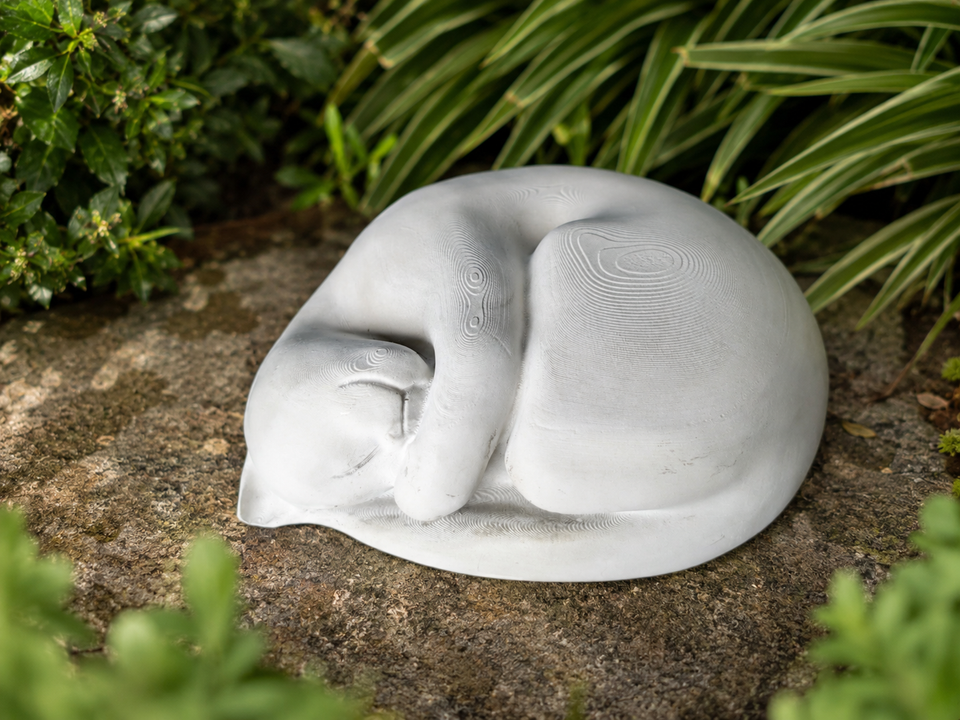
Cast stone garden ornaments — sometimes called concrete ornaments — are built to last decades outdoors, but they do need basic care to stay looking their best. Whether you have a single garden statue or a collection of hand-cast sculptures, the right maintenance routine will keep them sharp through every British winter and summer.
We hand-cast stone garden ornaments in our workshop in Cumbria, so we know exactly what cast stone (a type of concrete) needs — and what damages it. This guide covers everything from routine cleaning to winter protection, based on what we see working across thousands of pieces.
How Long Do Cast Stone Garden Ornaments Last?
Cast stone garden ornaments can last 20 years or more with basic care. Cast stone is one of the most durable materials for outdoor use — it withstands UV exposure, rain, and temperature changes far better than resin, plastic, or painted wood. The material actually gets stronger over the first few weeks after casting as it continues to cure.
The main enemies of cast stone outdoors are freeze-thaw cycles, standing water, and neglect. Address these three things and your ornaments will outlast most of your garden.
Freeze-thaw is the primary threat — water enters micro-pores, expands by 9% when frozen, and creates internal pressure that spalls the surface. The solution is drainage, not sealing.
Sealing is optional for quality concrete. If you do seal, use a penetrating silane/siloxane product — not film-forming varnish — applied after at least 28 days curing.
Routine Cleaning (Every 2-3 Months)
The simplest and most effective way to clean cast stone ornaments is with warm water and a soft brush. Most dirt, dust, and bird droppings come off easily with gentle scrubbing.
What you need:
- Warm water (not boiling — thermal shock can cause surface cracks)
- A soft-bristled brush or old toothbrush for detailed areas
- A bucket or watering can
- A cloth or sponge
Step by step:
- Rinse the ornament with clean water to remove loose debris
- Dip the brush in warm water and scrub gently in circular motions
- Pay attention to crevices where dirt collects — sculpted details trap moisture and debris
- Rinse thoroughly with clean water
- Let it air dry completely before applying any sealant
What not to use: Avoid pressure washers on detailed or thin cast stone pieces — the force can chip edges and erode fine details. Pressure washers are fine for thick, robust pieces like planters or stepping stones, but keep the nozzle at least 30cm away and use a wide fan setting.
Removing Common Stains
Algae and Green Growth
Green algae is the most common issue with outdoor cast stone, especially in damp or shaded spots. Mix one part white vinegar to four parts water, apply with a brush, leave for 15 minutes, then scrub and rinse. For stubborn algae, use a dedicated patio cleaner following the product instructions.
Never use acidic cleaners — vinegar, citric acid, and many commercial patio cleaners react with calcium compounds in concrete, etching the surface permanently.
White Mineral Deposits (Efflorescence)
White powdery marks on cast stone are calcium deposits leaching to the surface. This is natural and usually fades on its own within 6-12 months. If you want to remove it sooner, scrub with a stiff brush and white vinegar solution. Rinse well afterwards.
Rust Stains
If your ornament has been placed near metal garden furniture or iron railings, rust stains can transfer to the surface. Apply lemon juice directly to the stain, leave for 30 minutes, then scrub with a brush. For deep rust stains, oxalic acid-based cleaners work well — follow the manufacturer's instructions and wear gloves.
Bird Droppings
Clean bird droppings off promptly — they are mildly acidic and can etch cast stone over time if left in place. Warm water and a cloth is usually enough. For dried-on droppings, soak a cloth in warm water, place it over the stain for 10 minutes to soften, then wipe away.
Moss and Lichen
Some people love the aged look of moss and lichen on cast stone — it adds character and blends ornaments into the garden. If you want to remove it, scrub with a stiff brush and soapy water. To discourage regrowth, move the ornament to a sunnier, more airy position. Shaded, damp corners are where moss thrives.
Moss and lichen on concrete are cosmetic, not structural — the organisms do not penetrate deeply enough to compromise integrity. Aggressive removal often does more damage than the growth itself.
Protecting Cast Stone from Weather
Sealing Your Ornaments
Applying a breathable stone sealer is the single best thing you can do to protect cast stone ornaments long-term. A sealer reduces water absorption, which is the root cause of most damage — including frost cracking, staining, and algae growth.
Check for hairline cracks each spring. Run a finger along surface lines — if grit catches, the crack has opened and needs attention before next winter's frost.
Choose a breathable sealer (silane or siloxane-based), not a film-forming varnish. Film-forming sealers trap moisture inside the stone, which causes worse damage than no sealer at all. Breathable sealers let moisture escape while preventing water from soaking in.
How to apply:
- Clean the ornament thoroughly and let it dry completely (at least 24 hours in dry weather)
- Apply the sealer with a brush or spray in thin, even coats
- Most sealers need two coats — check the product label
- Let it cure for 24-48 hours before placing the ornament back outdoors
- Reapply every 1-2 years depending on exposure
When to seal: Late spring or early autumn — you want a dry spell of at least 48 hours after application. Avoid sealing in winter or during rainy periods.
Winter Care
British winters are the biggest test for outdoor cast stone. Water soaks into the porous surface, freezes, expands, and can cause cracking over repeated cycles. This is called freeze-thaw damage and it affects all cement-based materials to some degree.
How to minimise winter damage:
- Apply a breathable sealer before winter (see above)
- Raise ornaments off the ground using pot feet, pebbles, or small paving slabs. This prevents them from sitting in puddles that freeze around the base
- Move lightweight pieces under cover during the harshest months if possible — a porch, garage, or even a sheltered wall makes a difference
- Never place cast stone ornaments directly on wet soil in winter. The ground holds moisture that wicks up into the base
- Avoid de-icing salts near cast stone ornaments — salt is corrosive and causes surface scaling
What about "frost-proof" claims? No cast stone is truly frost-proof. Denser, well-cured cast stone with a sealer handles frost far better than thin or porous material, but all cement-based products absorb some water. The steps above dramatically reduce the risk.
Summer Care
Summer is generally kind to cast stone. The main concerns are:
- Direct scorching sun can fade painted finishes over time. If your ornament has a painted design, position it where it gets some shade during the hottest part of the day
- Dry soil shrinkage — if your ornament sits on soil that cracks and shifts in dry weather, it may tip or settle unevenly. Check stability after dry spells
- Watering splashback — garden sprinklers and hoses can deposit mineral-rich water on stone surfaces, leaving white spots. Wipe off splashes or relocate ornaments away from sprinkler zones
Where to Place Cast Stone Ornaments
Placement affects how much maintenance your ornaments need:
| Position | Maintenance Level | Notes |
|---|---|---|
| Raised on paving/decking | Low | Best option — good drainage, away from soil moisture |
| On gravel or stones | Low | Good drainage, easy to level |
| Under a porch or overhang | Very low | Sheltered from rain and frost |
| On grass | Medium | Grass holds moisture; raise on a paving slab |
| On bare soil | High | Soil wicks moisture into the base; avoid in winter |
| In full shade, damp corner | High | Algae and moss will grow quickly |
| Pond edge or water feature | High | Constant moisture exposure; seal annually |
The golden rule: Keep cast stone off direct contact with wet soil, especially in winter. A simple paving slab or a few flat stones underneath makes a huge difference.
Repairing Chips and Cracks
Small chips and hairline cracks are cosmetic and don't affect the structural integrity of a cast stone ornament. If they bother you, here's how to fix them:
For small chips:
- Clean the damaged area and let it dry
- Apply a small amount of exterior-grade stone filler or epoxy putty
- Shape it to match the surrounding surface while still wet
- Let it cure fully (check product instructions — usually 24 hours)
- Sand smooth if needed and touch up with matching paint
For hairline cracks:
These are usually surface-level and cosmetic. If water is getting in, apply a thin layer of stone sealer over the crack. For wider cracks, use a flexible exterior filler before sealing.
When to accept it: Many people find that minor weathering adds character to cast stone garden ornaments. A few chips and marks are part of the natural aging process and can actually make pieces look more authentic and settled in the garden.
Cast Stone vs Other Garden Ornament Materials
People often ask how cast stone compares to alternatives. Here's an honest comparison:
| Material | Weight | Durability | Weather Resistance | Look & Feel | Price |
|---|---|---|---|---|---|
| Cast stone (concrete/cement) | Heavy | 20+ years | Good (with sealer) | Natural stone texture, solid feel | Mid-range |
| Resin | Light | 5-10 years | Good (UV can yellow) | Smooth, can look plastic | Budget to mid |
| Natural stone | Very heavy | 50+ years | Excellent | Premium, unique grain | Premium |
| Cast iron | Heavy | 30+ years | Good (needs rust treatment) | Industrial, classic | Mid to premium |
| Plastic | Very light | 2-5 years | Poor (cracks, fades) | Obviously plastic | Budget |
| Fibreglass | Light | 5-10 years | Moderate | Can mimic stone well | Mid-range |
Cast stone sits in a sweet spot — real stone weight and texture at a fraction of the cost of carved natural stone. The main advantage over resin and plastic is that cast stone actually feels substantial. You pick up a cast stone ornament and it has real heft. That weight also means it stays put in wind.
Seasonal Care Calendar
| Season | Tasks |
|---|---|
| Spring | Deep clean after winter. Check for frost damage (chips, cracks). Reposition any pieces that shifted. Apply sealer if due |
| Summer | Light cleaning every 6-8 weeks. Check painted finishes for fading. Water splashback wipe-down after hot spells |
| Autumn | Apply breathable sealer before first frost. Raise pieces off soil. Move lightweight ornaments under cover if possible. Clear fallen leaves from around bases |
| Winter | Minimal handling. Check stability after heavy frost. Brush off snow rather than letting it melt and refreeze on the surface |
Quick Reference: Do's and Don'ts
Do:
- Clean with warm water and a soft brush
- Apply a breathable stone sealer every 1-2 years
- Raise ornaments off wet soil, especially in winter
- Check for frost damage each spring
- Enjoy the natural weathering — it adds character
Don't:
- Use a pressure washer on fine details
- Apply film-forming varnish (traps moisture inside)
- Place directly on wet soil in winter
- Use de-icing salt near cast stone
- Leave bird droppings to sit (they etch the surface)
- Panic about hairline cracks — they're cosmetic
About Us
We're Ripleys Nest — a small workshop in the Cumbria countryside where we hand-cast stone garden ornaments, planters, and sculptures. Every piece is individually cast and hand-finished. We've been making cast stone pieces since 2023 and sell on our website, Etsy, and Amazon UK.
Browse our garden collection to see what we make.
Further reading: RHS ornaments and sculpture | Historic England stone care guidance | BBC Gardeners World