Planters & Home Decor Guide
Matte vs gloss vs metallic: choose your finish
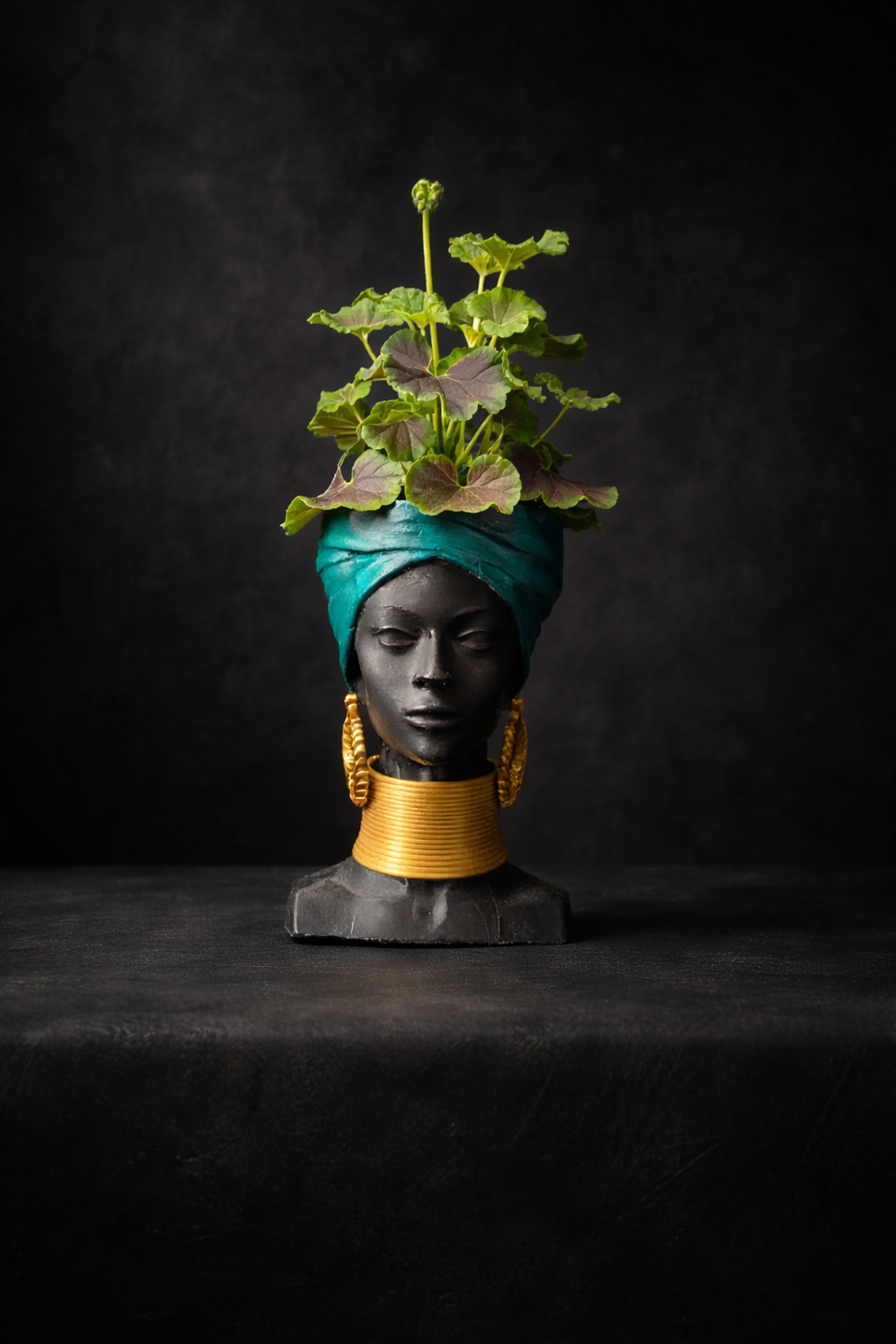
Planters & Home Decor
Quick scan
- Start with the room, plant type and statement level you want.
- Use the styling sections to compare scale, finish, grouping and placement.
- Follow the Planters & Home Decor links when you are ready to shop the look.
Helpful next step
If this guide is helping you choose a room piece, compare sculptural planters by placement, plant choice and visual weight.
Quick read: Quick Summary Matte, gloss, and metallic finishes on concrete and cast stone serve different aesthetic functions and suit different placement contexts. Matte finishes rea
Quick Summary
Matte, gloss, and metallic finishes on concrete and cast stone serve different aesthetic functions and suit different placement contexts. Matte finishes read as natural and grounded, work in any light, and age gracefully; gloss finishes create visual impact and catch light but show marks and require more maintenance; metallic finishes (bronze, gold, copper) interact with light in ways that change through the day and suit pieces positioned to catch directional light. This post covers the technical differences, placement recommendations, and how each finish interacts with plant life.
The right finish depends more on placement and light conditions than personal taste. Read each finish type, then use the comparison at the end to match your space.
One of the most common questions we get is about finishes. The same sculptural planter can look dramatically different depending on whether it is left in natural matte cast stone, sealed with a gloss coat, or painted in a metallic finish. Each option ages differently, suits different spaces, and creates a different mood.
This guide covers what each finish actually is, how it behaves over time, and which one suits your space. No hard sell. Just honest information so you can pick the right one.
Natural matte (unfinished cast stone)
What it is: Raw cast stone with no sealant or paint. The surface has the fine grain texture that comes from the casting process, with tiny air marks and subtle variation across every piece. This is the material in its most honest form.
Colour: A warm, natural grey that varies slightly from cast to cast. Some pieces lean cooler, some warmer. The variation is part of the character.
Texture: Lightly rough to the touch. Not abrasive, but you can feel the grain of the stone mix. The surface has a chalky quality when dry.
Natural matte cast stone ages the way good materials should , slowly, honestly, and more beautifully over time.
How it ages: This is where natural matte really comes into its own. Over time, especially outdoors, the surface develops a patina. It may darken slightly in areas that hold moisture. In sheltered outdoor spots, you will see the beginnings of a green patina after a few months, which many people actively want. Indoors, the change is much slower: a very gradual mellowing of the colour over years.
Best for:
- People who want the most "authentic" stone look
- Outdoor placement where you want natural weathering
- Minimalist, Scandinavian, or wabi-sabi interiors
- Styling with natural materials (wood, linen, dried grasses)
- Anyone who appreciates how a material changes over time
Care: A stiff brush and clean water. That is it. No chemicals needed. If algae builds up outdoors, a scrub removes it. Some people prefer to leave it. Skip the pressure washer, as it strips the surface texture that gives each piece its character.
Weight and feel: Natural matte pieces feel the heaviest in the hand because there is no coating to smooth over the surface grain. The tactile quality is one of the main reasons people choose this finish.
Sealed matte
What it is: The same natural cast stone, but with a clear matte sealant applied. The sealant is invisible but changes how the surface interacts with moisture and light.
Colour: Slightly deeper than raw stone. The sealant enhances the natural grey without adding shine, similar to how a wet pebble looks darker than a dry one, but subtle.
Texture: Smoother to the touch than unfinished stone. The grain is still visible but less pronounced under your fingers.
How it ages: Much more slowly than unfinished stone. The sealant resists moisture penetration, so outdoor patina takes longer to develop. The piece holds its original appearance for longer. Indoor pieces stay essentially unchanged for years.
Best for:
- Indoor display where you want the stone look but easier dusting
- Shelves, mantelpieces, or console tables where the piece will be handled occasionally
- People who want the natural aesthetic without the gradual change
- Gifting (the sealant makes the piece feel more "finished" out of the box)
Care: Wipe with a damp cloth. The sealant makes cleaning simpler. No special products needed.
- Most authentic stone look
- Outdoor placement with weathering
- Minimalist or Scandi interiors
- Low-maintenance care
- High visual impact in dim lighting
- Polished, high-sheen interior styles
Gloss
What it is: A clear high-shine sealant applied over the cast stone surface. This transforms the look completely, giving the piece a polished, almost ceramic-like finish.
Colour: Significantly darker than the raw stone. The gloss finish saturates the colour, turning the natural grey into a deeper charcoal. The surface catches and reflects light.
Texture: Smooth and slightly cool to the touch. The grain of the stone is still visible under the gloss but you feel the coating rather than the stone.
How it ages: Gloss finishes are durable indoors. Outdoors, UV exposure will gradually dull the shine over a year or two, and the finish may develop a hazy quality in direct sun. We recommend gloss primarily for indoor display. If you want the look outdoors, expect to reseal every year or two.
Best for:
- Contemporary, modern, or maximalist interiors
- Dark shelving or mantels where you want the piece to stand out
- Creating contrast with matte or textured surroundings
- People who want a ceramic or polished stone look without the fragility
- Statement display (a single glossy piece among matte ones draws the eye)
Care: Wipe with a soft damp cloth. Avoid abrasive cleaners, which will dull the finish over time. A microfibre cloth works well for removing fingerprints.
Gloss surfaces show fingerprints, water marks, and dust more readily than matte. Budget for regular cleaning if placed indoors in a high-traffic area.
Metallic finishes
What it is: Metallic paint or leaf applied to the cast stone surface. Our metallic finishes include gold, bronze, copper, and silver. Each is hand-applied, which means coverage is intentionally uneven: the metallic finish catches the raised surfaces while the recesses hold darker shadow. This creates depth and highlights the sculptural detail.
Colour: Varies by metal. Gold is warm and bright. Bronze is darker with amber undertones. Copper sits between the two with a reddish warmth. Silver is cool and reflective.
Texture: Depends on the application method. Dry-brushed metallics feel similar to the matte stone underneath (you are touching paint over stone). Fully coated pieces feel smoother.
How it ages: Metallic paints hold up well indoors. The finish does not tarnish or oxidise the way real metal would (it is paint, not metal). Outdoors, metallic finishes will fade and weather, which can actually produce a beautiful verdigris effect on copper and bronze finishes. Gold tends to dull rather than patina attractively, so we recommend gold for indoor display.
Best for:
- Eclectic, bohemian, or art-collector interiors
- Creating a focal point on a shelf or mantel
- People who want the sculptural form to feel more like a traditional art piece
- Warm-toned rooms (gold, bronze, copper) or cool-toned rooms (silver)
- Gift buyers who want something that looks immediately striking
Care: Dust with a soft brush or cloth. Avoid rubbing hard, as this can wear the high points of the metallic finish over time. This is not necessarily a bad thing: some customers deliberately handle their pieces to accelerate the worn-through effect, letting the grey stone show through the metallic surface.
Black and white painted finishes
What it is: A solid colour coat applied over the cast stone, available in matte black or matte white.
Colour: True matte black or warm matte white. The paint is opaque but thin enough that the surface texture of the stone shows through.
Texture: Smooth but with visible grain underneath. The stone surface creates tiny ridges and valleys that catch light differently from a truly flat painted surface.
How it ages: Paint finishes are stable indoors. Outdoors, expect some chalking on white finishes over a year, and potential fading on black finishes in direct sun. Both can be touched up easily.
Best for:
- Matte black: dramatic display, gothic or industrial interiors, dark shelving, high-contrast groupings
- Matte white: Scandinavian interiors, light shelving, a softer take on the sculptural form
- People who want the shape and weight of cast stone without the stone colour
- Grouping: a mix of black and white pieces creates a strong graphic display
Care: Wipe with a damp cloth. Touch up chips with any quality matte paint if needed.
Comparison at a glance
| Finish | Best setting | Ageing outdoors | Ageing indoors | Maintenance | Feel in hand |
|---|---|---|---|---|---|
| Natural matte | Indoor or outdoor | Patina, darkening, algae (desired) | Slow mellowing | Brush and water | Rough, chalky, heavy |
| Sealed matte | Indoor (or sheltered outdoor) | Slow, resists patina | Very little change | Damp cloth | Smooth, still stoney |
| Gloss | Indoor only | Dulls, hazes in UV | Stable for years | Soft damp cloth | Smooth, cool, polished |
| Gold metallic | Indoor only | Dulls, not attractive | Stable | Soft brush | Smooth over texture |
| Bronze/copper metallic | Indoor (outdoor ages beautifully) | Verdigris effect | Stable | Soft brush | Smooth over texture |
| Silver metallic | Indoor only | Dulls | Stable | Soft brush | Smooth over texture |
| Matte black | Indoor (outdoor with touch-ups) | Fades in direct sun | Stable | Damp cloth | Smooth with grain |
| Matte white | Indoor (outdoor with touch-ups) | Chalking in sun | Stable | Damp cloth | Smooth with grain |
Mixing finishes in a group
One of the most effective display approaches is mixing finishes within a group of pieces. A natural matte piece next to a gold metallic creates contrast in both colour and texture. Three pieces in the same finish but different sizes creates a more cohesive, gallery-like effect.
There are no rules here, only observations from seeing how customers style their collections:
- Monochrome groups (all one finish) look calm and intentional
- Mixed metal groups (gold, bronze, copper together) look warm and collected-over-time
- Matte plus one metallic draws the eye to the metallic piece as the focal point
- Black and natural stone together creates a strong, modern contrast
The next piece in this series covers the rule of three and other grouping principles for sculptural planters.
Still not sure?
If you are genuinely stuck, natural matte is the safest starting point. It looks good everywhere, ages beautifully, and works with every interior style. You can always add a sealed or metallic piece later to build contrast.
Browse the full sculptural planter collection to see every finish option available.
Part of the Ripleys Nest sculptures guide series. See also: "The rule of three: how to group sculptural planters" and "Start your collection: a beginner's guide to sculptural planters."
Further reading: Historic England stone care guidance | House Beautiful
Every piece is handmade in our Cumbria studio. Small variations in texture and finish are evidence of the handmade process, not defects.
Save this guide
Get the useful links from this guide in your inbox so you can come back to the right product route later.
The guide stays open. Use the links below when you are ready; your email is only for useful guide follow-up.
// CH.03 · GARDEN
Choose the outdoor piece
Use the guide to decide what belongs in the space, then compare cast-stone pieces by size, weight, finish and where they will sit.


Save the planter decision checklist
Get a quick way to compare size, plant, finish and placement before you choose a sculptural planter.
The guide stays open. Use the links below when you are ready; your email is only for useful guide follow-up.