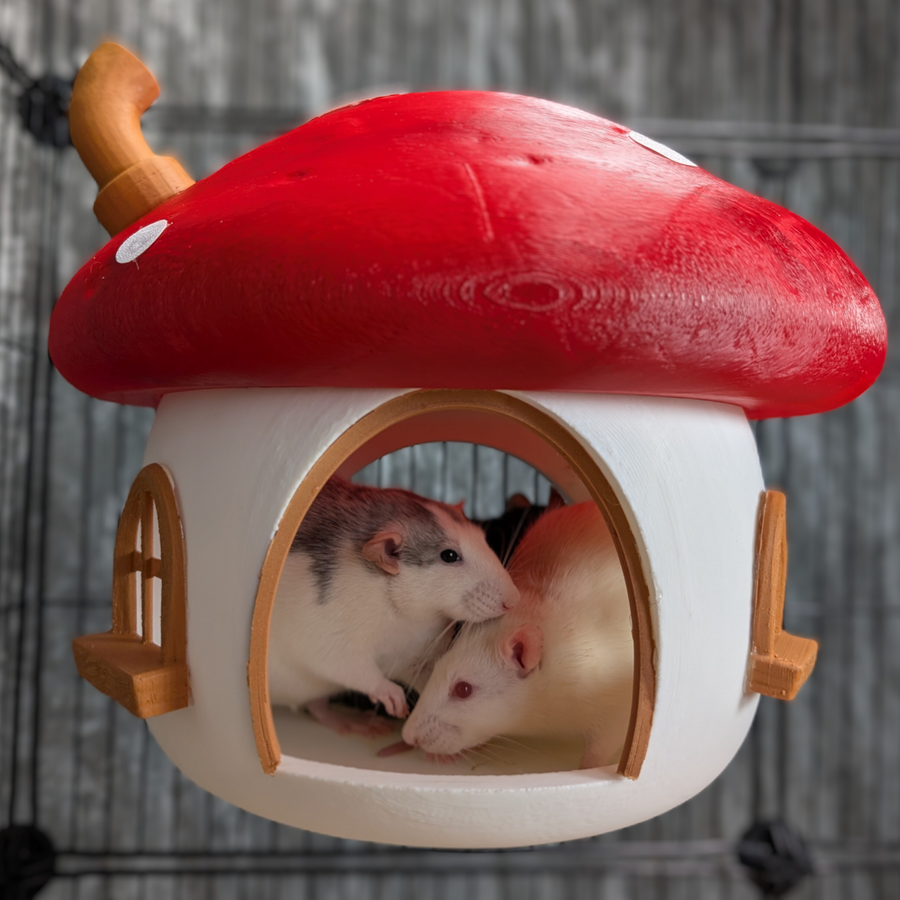
Guide13 min read
How to Set Up a Quarantine Cage for New or Sick Rats
Helpful next step
If this guide is helping you plan a cage or routine, keep the advice open and compare the pieces that make it easier to act on.
Quick read: This guide outlines considerations for setting up a separate cage and routine for a new or unwell rat, with advice on observation and professional support.
One sick rat introduced without quarantine can devastate an entire colony. The two-week wait feels frustrating , but it has saved countless established groups.
Quick Summary
A quarantine cage for new or sick rats requires physical separation from established animals - ideally a different room, minimum 1.5 metres away - for at least two weeks with no signs of illness to prevent disease transmission. Quarantine is not a preference but a welfare requirement: introducing unquarantined rats to an established group is one of the most common causes of respiratory disease outbreaks in pet rat colonies. This guide covers the setup, duration, what to observe, and when it is safe to proceed with introductions.
Planning the quarantine setup
If you are preparing for new rats, use this alongside the first-time rat owner guide. For practical cage planning, compare rat cage accessories, keep the respiratory health guide close, and browse the rat care hub for current setup options.
Last updated: March 2026 | Written by: Ripleys Nest | Read time: 8 min
Quick summary: Quarantine is not paranoia. It is basic biosecurity that protects your existing rats from disease and gives new arrivals time to show any symptoms in a safe environment. This guide covers why the NFRS recommends at least two weeks of quarantine for new rats, how to set up a quarantine cage properly, what to check every day, when quarantine ends, and how to transition into introductions.
In this guide:
- Why quarantine matters
- Quarantine for new rats vs sick rats
- Cage requirements
- What to include in the quarantine cage
- Placement: where to put the quarantine cage
- Daily health checks during quarantine
- The quarantine health log
- When quarantine ends
- Transitioning to introductions
Why Quarantine Matters
Rats can carry illnesses with no visible symptoms for days or weeks. Quarantine catches problems before they reach your existing group.
The most common diseases in domestic rats, including respiratory infections (Mycoplasma pulmonis, Streptococcus pneumoniae), external parasites (mites, lice), and intestinal infections (Giardia, Cryptosporidium), can all have incubation periods where the rat appears perfectly healthy while carrying and shedding the pathogen.
A study published in Laboratory Animals found that newly acquired rodents frequently harbour subclinical infections that only become apparent under the stress of rehoming, transport, or environmental change. The NFRS's basic quarantine is at least 2 weeks with no signs of illness, with the new rats kept where they do not share air with your own. It notes that a few infections can take longer than 14 days to show.
This is not about distrusting the breeder, rescue, or pet shop. Even rats from excellent sources can pick up infections during transport, at shows, or from temporary housing. Quarantine protects everyone.
For sick rats, quarantine serves a different purpose: isolation to prevent transmission to cage mates and to allow close monitoring without interference from other rats. The duration depends on the illness and your vet's advice.
Quarantine for New Rats vs Sick Rats
The setup is similar, but the reasons and durations differ. Know which situation you are in.
| New Rat Quarantine | Sick Rat Isolation | |
|---|---|---|
| Purpose | Detect hidden illness before exposure to your group | Prevent transmission, allow monitoring and treatment |
| Duration | At least 2 weeks with no signs of illness | Until vet confirms non-contagious + symptom resolution |
| Location | Separate room from existing rats (essential) | Separate room if contagious; same room OK for non-contagious conditions |
| Hygiene | Wash hands and change clothes between rats | Same, plus disinfect any shared equipment |
| Ends when | No symptoms throughout the quarantine period | Vet gives the all-clear |
Cage Requirements
The quarantine cage does not need to be your main cage, but it must be escape-proof, well-ventilated, and big enough for the rat to move, eat, and sleep comfortably.
Minimum cage size for quarantine:
A quarantine cage can be smaller than a permanent home because it is temporary (at least two weeks). The RSPCA minimum for temporary rat housing is roughly 60cm x 40cm x 40cm for one or two rats. This is adequate for quarantine. Larger is always better if you have it.
Acceptable quarantine cages:
- A spare bar cage with appropriate bar spacing (no more than 17mm for adult rats, 10mm for kittens). This is the best option. Good ventilation, easy to clean, easy to attach water bottles and accessories.
- A large plastic storage bin (80+ litres) with ventilation holes drilled or cut into the lid and upper sides. Cheap and effective for short-term use. Ensure ventilation is generous; rats produce ammonia from urine and poor airflow causes respiratory irritation.
- A hard-sided pet carrier is acceptable for 24-48 hours maximum (e.g., transport from a rescue). It is not suitable for a full quarantine of two weeks or more due to limited space.
What the quarantine cage must have:
- [ ] Secure latches. Rats are escape artists. Cable ties on cage doors are a common backup.
- [ ] Bar spacing appropriate to the rat's size. Kittens can squeeze through gaps that adults cannot.
- [ ] Adequate ventilation. Wire cages are best. Bin cages need multiple ventilation panels.
- [ ] Solid floor or deep tray. Wire floors cause bumblefoot. Cover any wire shelving with fleece, lino, or cardboard.
- [ ] A water bottle (not a bowl; bowls get contaminated with bedding and droppings).
- [ ] Easy access for daily cleaning and health checks.
What you do NOT need for quarantine:
- Multiple levels (one level is fine for a short period)
- Elaborate enrichment setup (basic enrichment is sufficient)
- Matching your main cage quality (functional and clean is the standard)
What to Include in the Quarantine Cage
Keep it simple, clean, and disposable. You want to be able to deep-clean or replace everything at the end of quarantine.
| Item | Notes |
|---|---|
| Bedding | Paper-based (Carefresh, Back-2-Nature, or shredded paper). Avoid wood shavings (pine and cedar are toxic; kiln-dried wood is debated). Substrate should be 2-3cm deep for digging and absorbing urine. |
| Water bottle | Clip-on style. Check the spout works daily. New rats sometimes do not recognise unfamiliar bottle types. |
| Food bowl | Heavy ceramic is ideal (hard to tip). Provide their normal diet from day one. A sudden diet change during the stress of rehoming can cause digestive upset. |
| A hide | One enclosed space per rat. A cardboard box with an entry hole is perfectly adequate and can be disposed of after quarantine. Plastic or ceramic hides can be disinfected and reused. |
| A hammock or sleeping pouch | Fabric enrichment. Use something you are willing to wash at 60C or throw away. |
| Basic enrichment | A cardboard tube, a small digging box, a chew toy. Nothing elaborate. The quarantine period is about observation, not cage design. |
| Thermometer | Keep the room between 18-22C. New rats are stressed and temperature extremes worsen respiratory symptoms. |
Avoid placing items from your existing rats' cage into the quarantine cage. Cross-contamination defeats the purpose. Everything in the quarantine cage should be new, clean, or disposable.
Placement: Where to Put the Quarantine Cage
Separate room, closed door, different airspace. This is the part people most often get wrong.
For new rat quarantine, the cage MUST be in a different room from your existing rats. Ideally a different floor of the house. The reason: airborne pathogens (particularly Sendai virus, SDA virus, and Mycoplasma) can travel between cages in the same room.
If you genuinely cannot use a separate room, place the quarantine cage as far from your existing rats as physically possible, with good ventilation between them. Accept that this compromises the quarantine and watch your existing rats more closely for symptoms during and after the quarantine period.
Additional placement rules:
- Away from direct sunlight and radiators. Temperature stability matters.
- Away from draughts. Near windows or external doors is usually too draughty.
- In a room where you spend time. New rats settle faster when they can hear and smell humans going about normal activity. A spare bedroom or home office is ideal. A cold garage or shed is not.
- Not in the kitchen or bathroom. Cleaning chemicals, cooking fumes, and humidity fluctuations are problematic.
Hygiene between rooms:
- Wash your hands thoroughly before and after handling quarantined rats.
- Change your top (or wear a designated "quarantine shirt") when moving between your existing rats and the quarantine cage. Rats groom your clothing and can transfer pathogens.
- Do not share accessories, bedding, or food containers between quarantine and existing rats.
- Handle your existing rats first, then the quarantined rats. This order reduces the risk of transferring unknown pathogens to your established group.
Daily Health Checks During Quarantine
Check the same things at the same time every day. Consistency reveals patterns that occasional glances miss.
Quarantine is an observation period. Spend 10-15 minutes with the quarantined rats daily, and check:
Breathing:
- Any sneezing? Note frequency. A few sneezes from dust is normal on day one. Persistent sneezing beyond day 3 is a concern.
- Any audible breathing (clicking, rattling, wheezing)?
- Any porphyrin staining (red-brown discharge around eyes or nose)?
Coat and skin:
- Is the coat smooth and groomed, or rough and puffed up?
- Any scratching? Excessive scratching suggests mites or lice. Look for tiny moving dots at the base of the fur, particularly around the neck and shoulders.
- Any scabs, sores, or bald patches?
Eating and drinking:
- Is food being eaten? Weigh the food bowl if you want precision.
- Is the water level going down?
- Are droppings normal? Firm, dark, pellet-shaped is healthy. Soft, discoloured, or absent droppings need attention.
Behaviour:
- Active and curious, or withdrawn and lethargic?
- Responding to your presence (coming to the cage front) or hiding?
- Any unusual movements (head tilt, circling, wobbling)?
Weight:
- Weigh on a digital kitchen scale every 2-3 days. Record it. A consistent downward trend indicates a problem even if other signs look normal.
The Quarantine Health Log
Write it down. Memory is unreliable, and a written log gives your vet useful data if problems arise.
Keep a simple daily log. It does not need to be elaborate:
| Date | Weight | Sneezing | Coat | Eating | Droppings | Behaviour | Notes |
|---|---|---|---|---|---|---|---|
| Day 1 | 285g | A few | Smooth | Yes | Normal | Hiding, expected | Just arrived |
| Day 2 | 282g | Occasional | Smooth | Less | Normal | Coming to front of cage | Settling in |
| Day 3 | 284g | None | Smooth | Normal | Normal | Exploring, took treat from hand | Good sign |
If symptoms appear, this log tells you exactly when they started and how quickly they are progressing. Vets find this information invaluable.
When Quarantine Ends
Quarantine ends when the full period passes with no symptoms. Not before.
For new rats: Quarantine ends after at least 2 weeks with no signs of illness throughout the entire period. If symptoms appeared at any point during quarantine, the clock resets from when those symptoms resolve (with or without treatment). A rat that sneezed for the first week but was fine for the next two weeks has completed quarantine. A rat that developed mites on day 10 and was treated needs at least 2 clear weeks from the end of treatment.
For sick rats: Quarantine ends when your vet confirms the illness is no longer contagious and symptoms have resolved. Follow vet guidance on timing.
At the end of quarantine:
- Deep-clean or dispose of all quarantine cage contents. Bedding, cardboard hides, and fabric items should be thrown away or washed at 60C minimum. The cage itself should be scrubbed with a pet-safe disinfectant and thoroughly rinsed.
- The quarantine cage can be repurposed as your introduction cage (carrier method stage 1) or kept as a hospital cage for future use.
- Begin the introduction process. Quarantine and introductions are separate stages. Finishing quarantine does not mean you can put the new rat straight into the existing cage.
- Solid sides or separate room to block airborne spread
- Basic bedding and hides only (easy to disinfect)
- Separate food/water equipment , never shared
- Daily health checks logged with dates
- Temperature same as main colony
- Same room as main colony
- Sharing bedding or accessories between groups
- Introducing before 14 full days
- Using quarantine cage as permanent housing
- Skipping vet check after quarantine period
Transitioning to Introductions
Quarantine is about health. Introductions are about social dynamics. Do not skip or rush either.
Once quarantine is complete, the next stage is a structured introduction. The carrier method is the most widely recommended approach in the UK rat community:
- Start in a small, neutral carrier with clean bedding that smells of neither group.
- Build up contact time gradually over several days.
- Move to a neutral playpen for supervised free roam.
- Progress to a fully cleaned main cage with no territorial scent.
How long it takes depends on the rats involved, so move on by behaviour, not by the clock. Our carrier method introduction guide covers every stage in detail.
Common mistake: Skipping quarantine and going straight to introductions because the new rat "looks healthy." This puts your entire group at risk. At least two weeks of patience now prevents weeks of vet visits and potential heartbreak later.
Another common mistake: Finishing quarantine and then waiting weeks before starting introductions. There is no benefit to delay once quarantine is clear. Start the introduction process promptly. The new rat is alone and waiting.
Quarantine Checklist: Quick Reference
Print this and tick off as you go:
Before the new rat arrives:
- [ ] Quarantine cage set up in a separate room
- [ ] Bedding, water bottle, food bowl, hide in place
- [ ] Room temperature 18-22C
- [ ] Health log template ready
- [ ] Digital scales available
- [ ] Separate clothing designated for quarantine handling
- [ ] Emergency vet contact saved (in case symptoms appear)
During quarantine (daily):
- [ ] Check breathing (sneezing, wheezing, porphyrin)
- [ ] Check coat and skin (scratching, scabs, rough fur)
- [ ] Check eating and drinking
- [ ] Check droppings
- [ ] Observe behaviour
- [ ] Weigh every 2-3 days
- [ ] Log all observations
- [ ] Wash hands and change top between rooms
End of quarantine:
- [ ] Full quarantine period completed with no symptoms
- [ ] Deep-clean or dispose of all quarantine cage contents
- [ ] Begin carrier method introductions
New to Ripleys Nest? Join the list for 10% off your first order.
Sources
Veterinary and Academic
- NFRS. "Rat Shows and Risks" (basic quarantine). nfrs.org
- RSPCA. "Rat care: health." rspca.org.uk
- Blue Cross. "Caring for your rat." bluecross.org.uk
- Baker, D.G. "Natural Pathogens of Laboratory Mice, Rats, and Rabbits and Their Effects on Research." Clinical Microbiology Reviews, 1998.
- Percy, D.H. & Barthold, S.W. Pathology of Laboratory Rodents and Rabbits. Wiley-Blackwell, 2007.
- Quesenberry, K.E. & Carpenter, J.W. Ferrets, Rabbits, and Rodents: Clinical Medicine and Surgery. Elsevier, 2020.
- University of Bristol. "Pet rat welfare in the UK." bristol.ac.uk
- PDSA. "Rat environment." pdsa.org.uk
Professional Organisations
- NFRS. "New rat care advice." nfrs.org
- RSPCA. "Rat companionship and housing." rspca.org.uk
Community Resources
- Isamu Rats. "Quarantine guide for new rats." isamu.co.uk
- Rat Care UK (Facebook community). Quarantine discussion threads.
Further Reading
- How to introduce new rats: the carrier method step-by-step
- Rat health monitoring guide
- The first 30 days with pet rats
This guide was written by Ripleys Nest based on NFRS recommendations, veterinary references, and practical rat-keeping experience. It is not a substitute for professional veterinary advice. Last reviewed: March 2026.
Further reading: RSPCA rat care | PDSA rat care advice
Can I handle quarantine rats and then handle my main group?
Only if you change clothes and wash hands thoroughly between groups. Ideally handle your main colony first, quarantine group second.
What should I watch for during quarantine?
Sneezing, clicking or wheezing sounds when breathing, discharge from eyes or nose, laboured breathing, weight loss, lethargy, or hunched posture.
Does a rescue rat still need quarantine?
Yes , every rat new to your home needs quarantine regardless of source. Even a vet-checked rat can carry dormant infections that emerge under the stress of rehoming.
RAT CARE
Choose the next cage piece
If the guide helped, head to the practical range next. Start with the hub, then compare hides, shelves and foraging pieces by the problem you are trying to solve.

Hear from us now and then
New pieces from the workshop and the odd tip for your rats, about once a fortnight. You can leave any time.