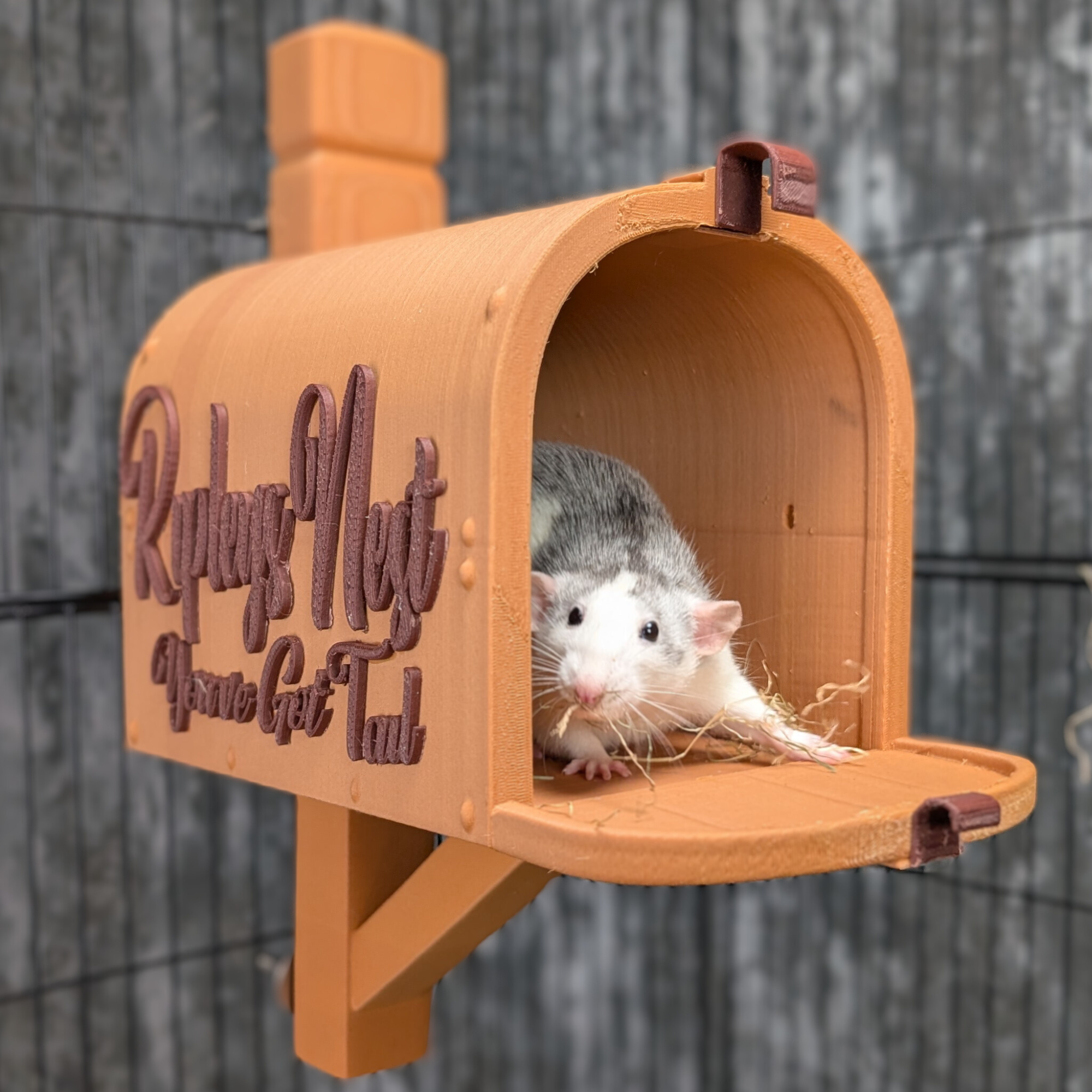
Rat Cage Aesthetic: How Experienced Owners Style Their Setups
Quick answer: Build the cage around shelter, food and water, movement, enrichment and cleaning access. Add a visual theme after those jobs work together, so the finished setup is useful to live in as well as pleasing to look at.
The Rat Care hub is the wider starting point. Use this guide when you want to carry one visual idea through the cage without making the layout harder to use.
Lay out the required cage jobs first
Begin with the routes your rats need every day. Give them a sheltered place to rest, clear food and water access, ways to move between levels, and places to investigate or forage. Leave enough open space for ordinary movement and enough access for you to remove bedding, reach fittings and clean surfaces.
- Rest: place one or more covered retreats where rats can reach them without a risky jump or a blocked entrance.
- Food and water: keep feeding points stable, reachable and separate from the busiest sleeping space where practical.
- Movement: connect levels with shelves, ledges, bridges or other routes that do not rely on one awkward leap.
- Foraging: add food-based activity where it can be reached, refreshed and cleaned without dismantling the whole cage.
There is no universal three-zone arrangement that every cage must follow. Use the cage you have, observe where the rats travel and adjust the position of pieces that interrupt access or create a fall risk.
Check accessibility, stability and cleaning
A beautiful object is only useful when the rats can enter, leave and move around it. Check entrances, narrow points, edges, surfaces and fittings before use. Place tall or heavy pieces so they cannot slide into a route, and make sure any upper-level accessory is attached as the product instructions describe. Keep a clear way to reach the cage for daily care.
Run the same check during cleaning. Look for rough areas, loose parts, frayed fabric, warped pieces or fittings that have shifted. Remove damaged items and replace them only when the replacement has a clear job and a suitable position.
Use one visual language
Once the cage works functionally, choose a small set of colours, shapes or materials to repeat. One strong hide can establish the idea; shelves, hammocks and bowls can support it without every item needing to match. Leave enough contrast for entrances and routes to stay visible, and avoid filling every level with decoration.
Choose the room and the cage light as well as the theme. A dark accessory can disappear against dark fabric; a pale piece can be easier to inspect against a darker background. The aim is a readable setup in ordinary light, not a display that only works in one photograph.
Theme examples that still leave room for rats
- Cottagecore: repeat warm neutrals, sage or terracotta with wood, cork and botanical shapes. Keep natural textures inspectable and leave bedding and routes easy to reach.
- Gothic: use black, deep purple or teal with skull, moon, cauldron or castle forms. Choose a focal hide, then keep edges, entrances and upper routes easy to check.
- Kawaii and food themes: strawberry, mushroom, cafe and other rounded food forms can carry a pastel palette. The Fairy Mushroom rat cage kit is one example of a matching direction; check its contents and fit before choosing it. Repeat one or two colours through fabric and accessories rather than crowding the cage.
- Gaming and pixel art: use a recognisable palette, pixel shapes or a controller reference while keeping the cage routes simple and the main surfaces easy to clean.
- Woodland and fantasy: combine bark-like textures, acorns, cottages, castles or mushroom houses with a practical hide, climb and forage route. Check any detailed edge or opening as carefully as the plain pieces.
Build the look in a calm order
- Mark the resting, food and water, movement and foraging jobs in the empty cage.
- Choose practical positions and check that you can still clean them.
- Add one character piece or colour anchor that fits the available space.
- Repeat the visual language with only the accessories that add a useful function.
- Watch the rats use the layout, then move or remove anything that blocks access, creates a fall risk or stays untouched.
For more product and setup choices, use the rat cage accessories guide, compare the hides and cabins collection, or browse foraging toys. The Rat Care guides provide the wider route for care questions.
New to Ripleys Nest? Join the list for 10% off your first order.
For general rat-care context, see the NFRS care guidance. Product pages carry the current material, dimensions, fittings and care details for the individual piece.
Pieces from this guide
Read next
Compare rat hides and houses

Fairy Mushroom Rat Hide
About 25 cm high × 23 cm wide × 18 cm deep
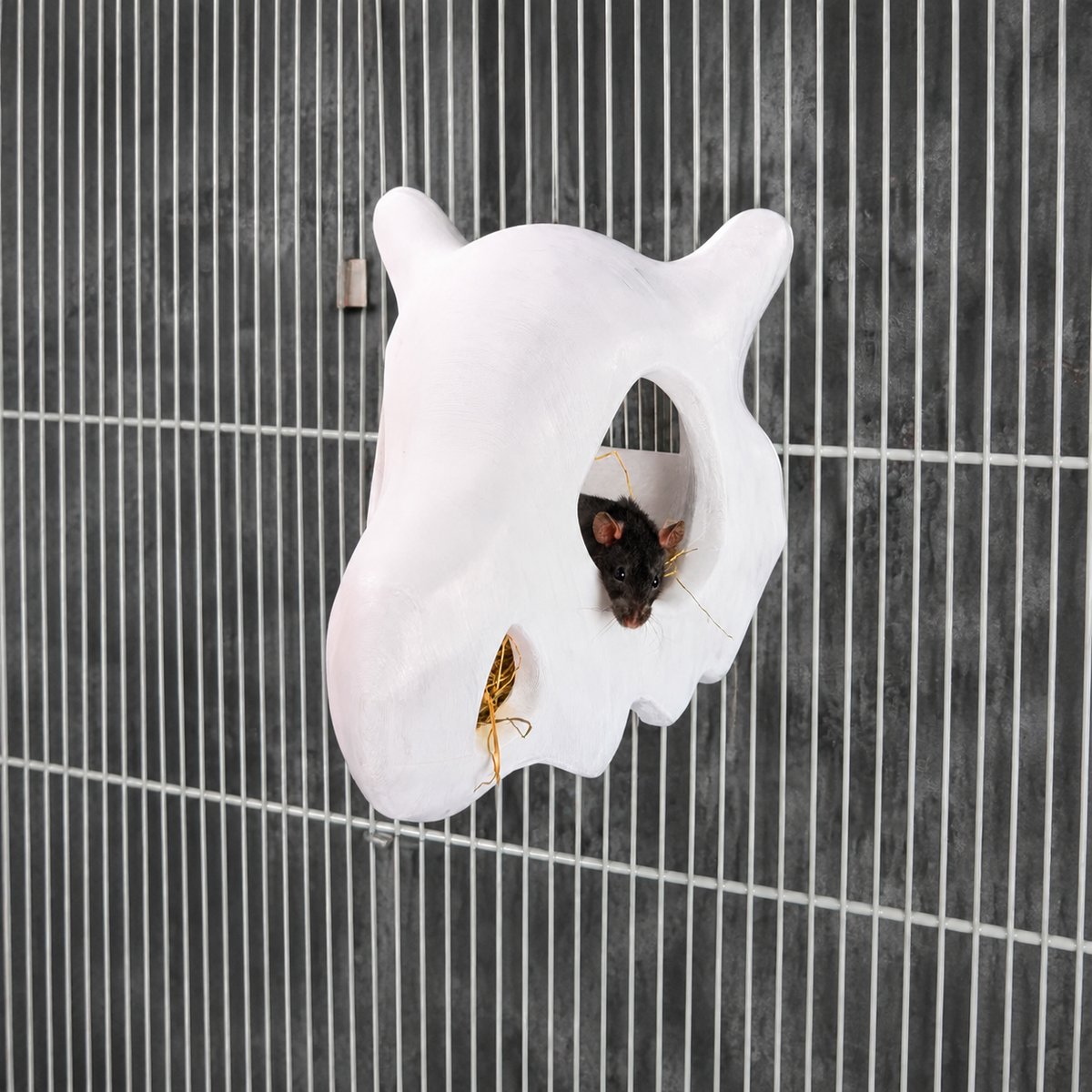
Gothic Skull Rat Hide & Hanging Nest
About 25 cm high × 22 cm wide
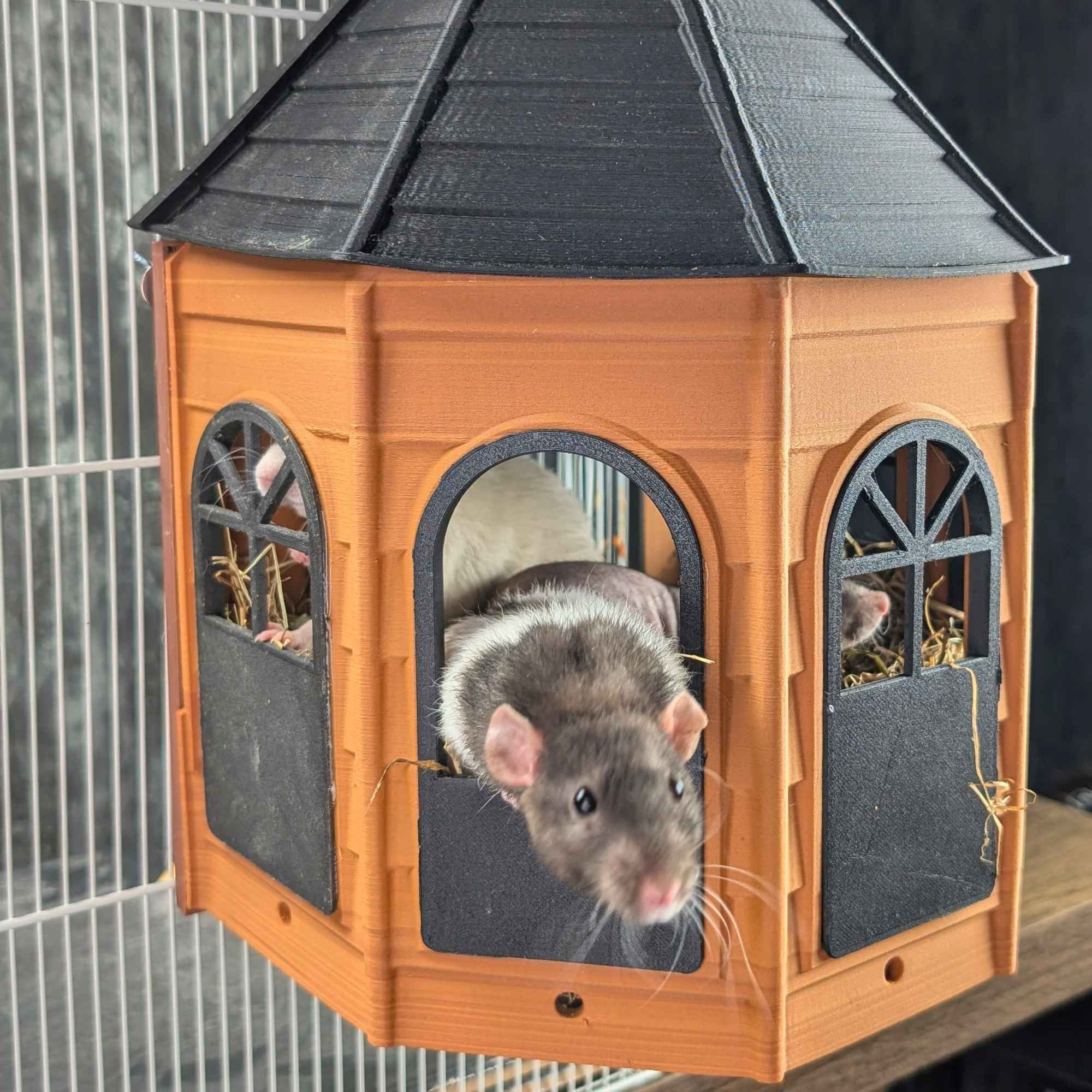

Strawberry Rat Hide
About 26 cm high × 26 cm wide

Hot Air Balloon Rat Hide – Hanging Cage Basket
Balloon about 23 cm across and 25 cm tall
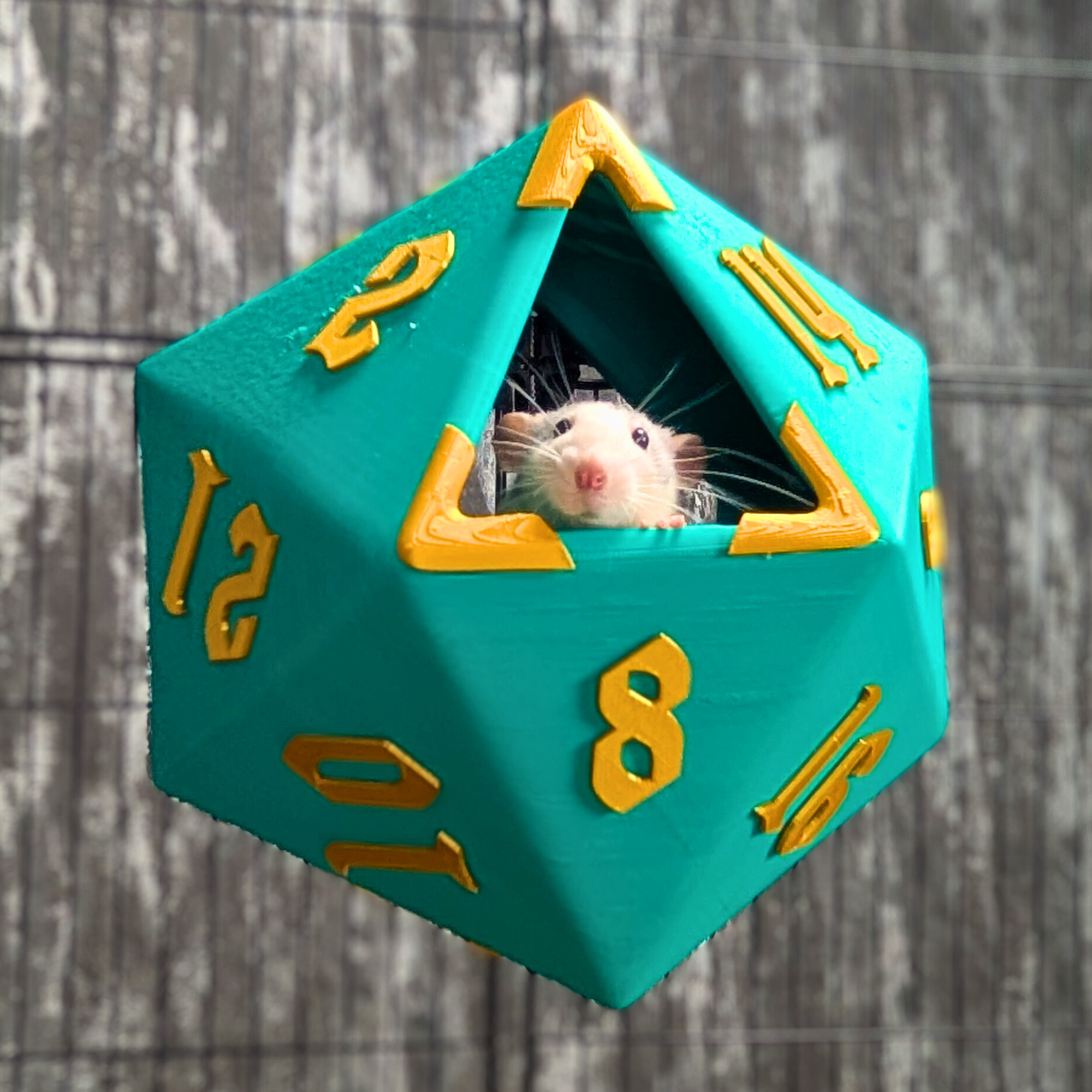
D20 Dice Rat Hide
About 25 cm wide × 25 cm high × 20 cm deep

Pink Gummy Bear Rat Hide
About 25 cm high × 19 cm wide × 15 cm deep