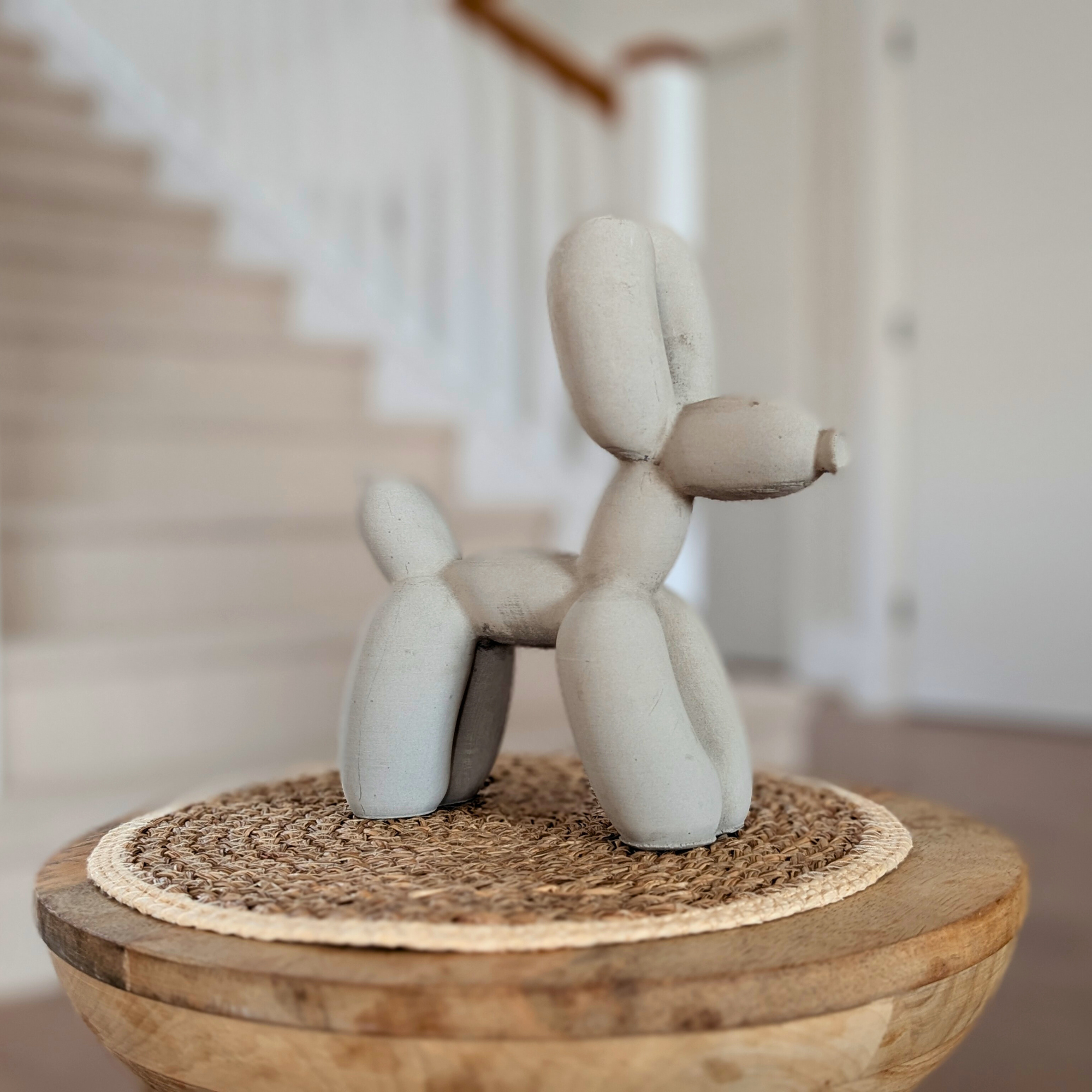
Garden Ornaments Guide
How Long Do Cast Stone Garden Ornaments Last? (Real Data)
Garden Ornaments
Quick scan
- Check placement, cleaning and weather notes before choosing an outdoor piece.
- Use the care sections to keep cast stone looking intentional through the seasons.
- Follow the Garden Ornaments links for pieces that fit the style or care advice.
Quick read: Quick Summary Properly cast concrete garden ornaments last 20-50 years with minimal maintenance. Victorian cast stone garden pieces have survived over 100 years. The main
Quick Summary
Properly cast concrete garden ornaments last 20-50 years with minimal maintenance. Victorian cast stone garden pieces have survived over 100 years. The main failure modes are freeze-thaw cracking in porous concrete, surface spalling from acid rain, and biological colonisation (moss and lichen - cosmetic, not structural). For UK gardens, especially in the north, high-quality concrete is the most durable non-stone ornament material available.
- Proper drainage from day one
- Annual crack inspection
- Gentle cleaning (no acid)
- Allowing biological patina
- Cover in severe frost
- Blocked drainage holes
- Pressure washing
- Acidic cleaning products
- Aggressive moss removal
- Standing water in frost
Properly cast concrete garden ornaments last between 20 and 50 years under typical UK outdoor conditions - and many survive significantly longer. Victorian cast stone garden pieces from the 1880s and 1890s are still found in established gardens across Britain, now well over 130 years old. The longevity of concrete depends almost entirely on mix quality and casting technique. Mass-produced, high-water-ratio poured concrete may show significant degradation within 10-15 years. Dense, low-porosity hand-cast concrete can outlast the garden itself.
Victorian cast stone garden ornaments , made over 100 years ago with no polymer additives , continue to stand in UK gardens today. The material's longevity is not theoretical; it is demonstrated.
The Main Failure Modes for Concrete Ornaments
Understanding how concrete fails helps you evaluate what you are buying and how to care for what you have.
Freeze-thaw cracking is the primary structural threat. Water penetrates the porous concrete surface, freezes at 0C, and expands by approximately 9% in volume. Over hundreds of freeze-thaw cycles - which occur every winter in UK gardens - this mechanical action forces micro-cracks open, eventually causing spalling and surface loss. Dense concrete with low porosity has very little room for water to enter, making it highly resistant. Porous concrete with high water content in the original mix is vulnerable. Northern England averages 30+ frost nights per year; Cumbria and other upland areas see considerably more.
Freeze-thaw is the primary failure mode , not age, not UV, not acid rain. Concrete that drains properly can withstand indefinite freeze-thaw cycles; concrete with standing water cannot.
UK acid rain (pH 5.5-6.0) is not aggressive enough to cause structural damage to quality dense concrete , surface dulling over decades is cosmetic.
Surface spalling from acid rain is a slower process. UK rainfall has a pH of approximately 5.0-5.6 due to dissolved CO2 and historic sulphur dioxide emissions (significantly reduced since the 1980s but not eliminated). Acid rain attacks the calcium carbonate compounds in hardened concrete, gradually softening and eroding the surface. This process operates over decades, not years, and produces the characteristic weathered, slightly rough texture of old concrete and cast stone. It is not a failure mode so much as a gradual patination process.
Biological growth - moss, lichen, and algae colonisation - is the most visible change in concrete ornaments over time. Moss establishes within 2-3 years on unsealed concrete in UK conditions, particularly on north-facing or shaded surfaces. Lichen follows over several more years. Neither is structurally damaging; both are cosmetic. Lichen does penetrate slightly below the surface with its root-like structures (rhizines), but this penetration is superficial and does not compromise structural integrity.
Biological colonisation on concrete is cosmetic, not structural. Aggressive removal with hard brushes or chemicals causes more damage than the organisms themselves.
What Victorian Cast Stone Tells Us About Concrete Longevity
The best evidence for concrete ornament longevity is the existing stock of Victorian cast stone in British gardens. Cast stone - a form of architectural concrete developed in the 18th and 19th centuries for affordable stone-effect garden and building features - uses a similar material to modern concrete garden ornaments.
Many estates and historic gardens contain cast stone urns, balustrades, fountains, and ornamental figures from the 1850s-1900s that remain structurally sound today, more than 130 years after casting. The RHS guidance on outdoor garden materials recognises cast stone as one of the most durable options for permanent garden features - specifically for its ability to develop the same natural patina as natural stone over time.
The caveat is quality. Victorian cast stone was made by craftspeople using controlled mix ratios. Mass-produced 20th century concrete garden ornaments, made with higher water ratios for ease of production, have considerably shorter lifespans. The material is the same; the execution determines the outcome.
How UK Climate Affects Concrete Ornament Lifespan
The UK's temperate maritime climate is relatively kind to concrete compared to continental European or North American climates with more extreme temperature swings. However, the north and west of the UK present specific challenges:
Northern England receives significantly more rainfall than the south - Manchester averages 806mm per year; London 601mm. More moisture means more potential for water ingress and freeze-thaw cycling. Cumbria in particular combines high rainfall, significant frost, and prevailing Atlantic winds. An ornament that performs well in Cumbrian conditions is effectively tested against some of the UK's most demanding outdoor environments.
Average annual frost days in different UK regions: London 0-10; the Midlands 10-20; northern England 20-40; Scotland 30-60+. For any ornament placed year-round in a northern English garden, frost resistance is not optional - it is a baseline requirement.
Ripleys Nest is based in Cumbria. Every cast stone piece produced there is made in one of the UK's most demanding outdoor environments. This is not environmental marketing - it is a straightforward fact about where the studio is located and in what conditions the products are developed and tested.
How Concrete Compares to Other Ornament Materials Over Time
Against the main alternatives:
Resin: 5-15 years before UV degradation, yellowing, and brittleness become significant. No repair or recovery - once degraded, it must be replaced. Cannot age gracefully.
Terracotta: Highly frost-vulnerable unless frost-proof rated (most mass-market terracotta is not). A severe frost can shatter an unprotected terracotta pot completely. Frost-proof terracotta from specialist manufacturers lasts well, but costs significantly more.
Metal (iron, steel, copper): Rusts unless galvanised or sealed. Can last indefinitely with maintenance. Galvanised steel lasts 20-50 years outdoors without maintenance.
Natural stone: The gold standard for longevity. Limestone, sandstone, and granite garden ornaments routinely survive centuries. The price difference is significant - natural stone is 5-20x the cost of cast concrete for equivalent pieces.
Concrete/cast stone: 20-100+ years depending on mix quality. Develops genuine patina. Costs a fraction of natural stone. For most UK gardens seeking a balance of durability, aesthetics, and value, it is the optimal choice.
Maintenance That Actually Extends Lifespan
The good news about concrete garden ornaments is that minimal maintenance is genuinely sufficient. Unlike wood (which needs regular treating) or metal (which needs sealing against rust), concrete's maintenance requirements are modest.
The single most impactful thing you can do is avoid pressure-washing. High-pressure water strips the surface of concrete, removing the carbonated outer layer that provides natural protection and exposing fresh, more porous concrete beneath. A stiff brush and low-pressure water is sufficient for any cleaning. Biological growth can be treated with diluted white vinegar or proprietary concrete cleaners if removal is desired.
Sealing with a penetrating silane/siloxane sealer every 5-7 years provides useful freeze-thaw protection and slows moss colonisation. This is genuinely optional for dense, well-cast concrete - unsealed pieces in good condition will still outlast almost anything else in the garden - but it does extend the period before biological colonisation establishes.
Lifting ornaments slightly off the ground on feet or pads reduces moisture retention at the base and reduces freeze-thaw stress at the most vulnerable point of contact with the ground. This small adjustment measurably extends the life of any garden ornament placed on paving or soil.
Signs That a Concrete Ornament Is Failing vs Naturally Aging
Natural aging looks like: even moss or lichen growth across surfaces, slight surface roughening, colour deepening and variation, natural weathering marks from rain and wind. None of these are structural concerns.
Early failure looks like: deep cracks (not surface hairlines), chunks of surface material falling away (spalling), hollow sounds when tapped (internal delamination), visible aggregate exposed across large areas where cement paste has been lost.
Surface hairline cracks that do not penetrate deeply are common and not a concern - concrete is not a perfectly homogeneous material and fine surface cracking is a normal response to thermal expansion and contraction. Through-cracks or cracks that visibly deepen over successive winters indicate freeze-thaw failure in progress.
Concrete Ornament Failure Modes: What Actually Goes Wrong
Understanding failure modes helps you assess what you have and what to look for when buying. Concrete garden ornaments fail in predictable ways, and most failure is preventable.
Spalling. The most common failure mode. Spalling is the loss of surface material - thin layers or chips of the face breaking away. It is almost always caused by water penetration followed by freeze-thaw cycling. Water enters the surface through cracks or via high porosity, freezes to ice, expands by approximately 9% in volume, and forces the surface layer apart from the material beneath. The damage appears as surface pitting, flaking, or in severe cases, complete loss of the decorative face. Prevention: use dense, low-porosity concrete; seal if in a high-frost area; do not allow water to pool on flat horizontal surfaces of ornaments.
Cracking. Structural cracks that run through the body of the piece rather than just the surface. These are typically caused by impact (dropping, knocking), by inadequate reinforcement in larger pieces, or by thermal differential stress in pieces with very thick cross-sections. Hairline surface cracks from normal thermal cycling are not structural failures - they are normal concrete behaviour. Cracks that widen, deepen, or continue to propagate under load are a structural concern.
Efflorescence. White crystalline deposits on the surface caused by soluble salts migrating to the surface as water moves through the concrete and evaporates. Efflorescence is purely cosmetic - it does not indicate structural damage. It washes off with water and a stiff brush. In persistently damp northern UK gardens, it can recur seasonally as the concrete dries and rewets. A penetrating sealer significantly reduces efflorescence by slowing the moisture migration process.
Biological colonisation (advanced). Moss and lichen are generally harmless and add character. However, in rare cases, certain types of biological growth - particularly black algae in very damp, shaded positions - can contribute to surface degradation over very long periods by producing mild organic acids. This is a concern on a 30-50 year timescale in extreme conditions, not something to worry about in a normal garden situation.
Poor original quality. The failure mode that is not a failure mode but a mis-purchase. Cheap, high-water-ratio concrete will begin showing surface degradation within a few years regardless of how well it is cared for. There is no maintenance regime that saves intrinsically poor concrete. This is why provenance and quality of casting matter - not just for aesthetics but for longevity.
Maintenance Timeline: What to Do at 1, 5, and 10 Years
Concrete garden ornaments require very little maintenance, but a light-touch approach at regular intervals extends their lifespan indefinitely.
At 1 year. The first year after placing is when efflorescence is most likely to appear - surface salts migrating out as the concrete completes its initial carbonation and adjusts to outdoor conditions. Clean with a stiff brush and water. Inspect for any surface cracks that may have appeared during the first winter - hairline cracks from thermal cycling are normal, but mark any cracks that appear significant so you can track whether they are growing. If you plan to seal, now is the appropriate time (after the first winter, once confident the piece has fully cured and any initial surface salt migration has completed).
At 5 years. By five years, most pieces in northern UK gardens will have developed moss on shaded surfaces and possibly lichen starting on north-facing areas. Decide whether you are keeping the patina or maintaining a cleaner look. If cleaning: stiff brush and water, plus diluted white vinegar (1:5 vinegar-to-water) to remove and inhibit biological growth. Inspect for any spalling - if present, assess whether it is superficial or structural. A small area of surface loss without continuing propagation is cosmetic; widening or deepening loss needs addressing.
At 10 years. A ten-year-old quality concrete ornament should look settled, aged, and handsome. Moss and lichen will be well-established on shaded surfaces. The concrete will be harder than when it was new (ongoing carbonation continues to increase surface hardness for decades). Major structural inspection: look for any cracks that have propagated since the 5-year check. If a penetrating sealer was applied at year 1, consider reapplication - most silane/siloxane sealers have a 5-10 year service life. Otherwise, no significant maintenance is required.
How Concrete Compares to Terracotta, Resin, and Cast Iron
| Material | Typical UK Lifespan | Main Failure Mode | Frost Rating |
|---|---|---|---|
| Dense concrete/cast stone | 20-50+ years | Spalling if porous or poorly made | Excellent (dense mix) |
| Terracotta (standard) | 2-10 years | Freeze-thaw spalling and cracking | Poor - must be brought in for UK winters unless frost-proof grade |
| Frost-proof terracotta | 10-25 years | Rim chipping, colour fade | Good - vitrified at higher kiln temperatures |
| Resin/polyresin | 5-10 years | UV yellowing, cold brittleness, cracking | Poor below -10C |
| Cast iron | 50-100+ years | Rust and corrosion without maintenance | Excellent |
| Lead | 100+ years | Theft, impact deformation | Excellent |
Cast iron is the only common outdoor material that significantly outlasts good quality concrete. It requires painting or waxing every few years to prevent rust, and the maintenance cost over decades is significant. Lead is effectively permanent but cost-prohibitive and raises other practical concerns. For the combination of longevity, maintenance simplicity, aesthetic development over time, and realistic cost, dense concrete is the best-value long-life outdoor ornament material available to most UK garden buyers.
Save the seasonal care reminder
Get a simple outdoor care note for cleaning, frost checks and choosing a cast-stone piece for the right spot.
The guide stays open. Use the links below when you are ready; your email is only for useful guide follow-up.
Save the seasonal care reminder
Get a simple outdoor care note for cleaning, frost checks and choosing a cast-stone piece for the right spot.
The guide stays open. Use the links below when you are ready; your email is only for useful guide follow-up.