Garden Ornaments Guide
Cottage Garden in a Weekend: A Realistic Starter Guide
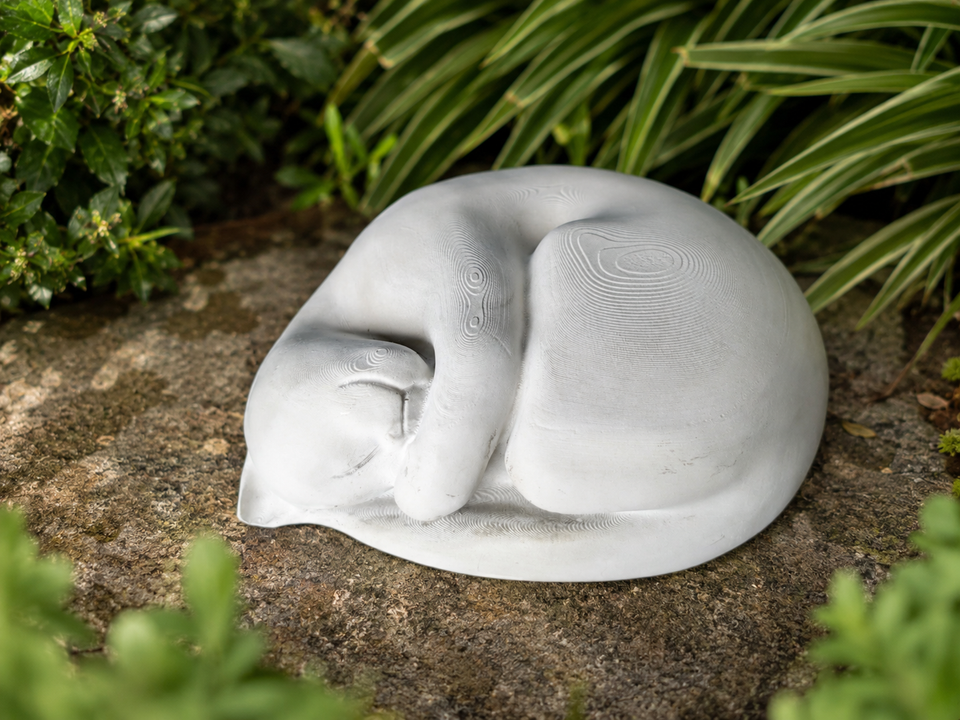
Garden Ornaments
Quick scan
- Check placement, cleaning and weather notes before choosing an outdoor piece.
- Use the care sections to keep cast stone looking intentional through the seasons.
- Follow the Garden Ornaments links for pieces that fit the style or care advice.
Helpful next step
If this guide is helping you choose or care for an outdoor piece, compare the garden routes that fit the spot you have in mind.
Quick read: Quick Summary A cottage garden aesthetic can be established in a single weekend with the right approach: choosing two to three anchor plants with strong seasonal presence
Quick Summary
A cottage garden aesthetic can be established in a single weekend with the right approach: choosing two to three anchor plants with strong seasonal presence, adding structural elements that hold the design through winter, and working with rather than against the natural character of the space. This guide covers the realistic scope of a weekend project, the plants that establish fastest in UK conditions, and the structural elements - including cast stone ornaments - that give a cottage garden its year-round character.
Last updated: March 2026 | Read time: 9 min | Sources: 14 horticultural references
Quick summary: A cottage garden is not a style you buy. It is a style that grows. But you can lay the foundations in a single weekend for between 50 and 150 pounds. This guide covers what cottage gardens actually are (not what Instagram thinks they are), a practical two-day plan, ten reliable UK plants, where ornaments fit naturally, and how to keep it going without it becoming a second job.
In this guide:
- What cottage gardens actually are
- Saturday: preparation and structure
- Sunday: planting and finishing
- Budget breakdown: 50 to 150 pounds
- Ten easy cottage garden plants for UK conditions
- Where ornaments fit in cottage style
- Seasonal maintenance (minimal, honest)
What cottage gardens actually are
Key takeaway: Cottage gardens are dense, mixed-planting beds that look informal but require thoughtful plant selection. They are not wild gardens and they are not random.
AvoidDo not plant for immediate fullness , cottage gardens planted too densely create competition problems within two seasons and require complete replanting.
The cottage garden has a PR problem. Instagram shows perfectly rambling roses over a thatched doorway. Reality is more useful than that.
Historically, cottage gardens were working gardens. Labourers in rural England grew food, herbs, and flowers together in the limited space around their homes. There was no design philosophy. There was practicality: grow what feeds you, grow what heals you, grow what looks nice near the door. The "style" emerged from necessity, not aesthetics.
What defines a cottage garden today:
- Dense mixed planting. Plants grow close together, filling every gap. The soil should barely be visible
- Informal structure. No rigid geometric beds. Borders flow, plants spill over edges, self-seeders pop up where they choose
- Layered heights. Tall plants at the back (or centre), medium in the middle, low at the front. This creates depth even in small spaces
- Repeat planting. The same plant appears multiple times throughout the bed, creating visual rhythm. Three lavenders, not one
- Seasonal succession. Something is always flowering, from snowdrops in February through to autumn sedums
- Functional beauty. Herbs among the flowers. A path that goes somewhere. A seat that invites sitting
What a cottage garden is not:
- A wildflower meadow (that is a different thing entirely)
- A neglected garden that happens to look overgrown
- Something that requires a thatched cottage, a picket fence, or a large budget
You can create a cottage garden in a 2-metre-wide strip along a fence. You can create one in raised beds on a patio. The principle is dense, mixed, informal planting. The scale is up to you.
Saturday: preparation and structure
Key takeaway: Saturday is soil work and hard landscaping. It is not glamorous but it determines whether your plants survive.
Morning (2-3 hours): assess and clear
Step 1: Assess what you have.
- What direction does your bed face? (South-facing gets most sun, north-facing is shade)
- What is the soil like? Dig a small test hole. Clay sticks together when squeezed. Sandy soil falls apart. Loam holds together loosely. Most cottage garden plants tolerate most soils, but knowing yours helps you choose
- What is already growing? Keep anything established and healthy. Remove weeds, dead plants, and anything you genuinely dislike
Step 2: Clear the bed.
- Pull weeds by hand, roots and all. Do not spray weedkiller on a bed you are about to plant
- Fork over the soil to 20-30cm depth. Break up compacted areas
- If the soil is heavy clay, work in a bag or two of garden compost or well-rotted manure. This improves drainage and soil structure. One bag per square metre is plenty
Step 3: Edge the bed. Cottage gardens are informal, but a clean edge between bed and lawn (or path) makes the whole thing look intentional. Use a half-moon edger or a sharp spade. Cut a clean line. This takes 20 minutes and makes a visible difference.
Afternoon (2-3 hours): paths and hard structure
If your bed is against a fence or wall, you may not need a path. If it is an island bed or wraps around a corner, a simple path through or alongside it adds function and charm.
Path options on a budget:
- Stepping stones. Flat stones or paving slabs set into the bed surface. Space them at a natural walking stride (roughly 60cm centres)
- Gravel. A 30cm-wide gravel path edged with bricks or timber. Affordable and effective
- Bark mulch path. The cheapest option. Needs topping up annually
Hard structure to place now (before planting):
A cottage garden without winter structure is a mud patch from November to March , permanent elements are what make the space feel designed all year.
- Any ornaments, pots, or focal pieces go in now. It is far easier to plant around a placed ornament than to find a gap for it later
- A small obelisk or wigwam for climbing plants (sweet peas, clematis) provides instant vertical interest
- If you are including a birdbath or cast stone piece, set it at the back third of the bed on a stable, level base
Tip: Water the prepared bed thoroughly at the end of Saturday. Planting into damp soil on Sunday is easier and less stressful for the plants.
Sunday: planting and finishing
Key takeaway: Lay your plants out on the surface before you dig a single hole. Stand back. Rearrange. Then plant.
Morning (2-3 hours): the planting
Step 1: Arrange first, plant second.
Place every plant (still in its pot) on the soil surface where you intend to plant it. Stand back and look at the arrangement from the angle you will most often see it (the kitchen window, the back door, the garden bench).
Rules of thumb:
- Tallest at the back, shortest at the front (or tallest in the centre for island beds)
- Group in odd numbers (3, 5, 7). Even numbers look formal
- Leave no more than 20-30cm between plants. Cottage gardens are dense. The plants will fill the gaps within one season
- Repeat at least two or three plants through the whole bed. This creates rhythm
Step 2: Plant.
- Dig each hole twice the width of the pot and the same depth
- Water the plant in its pot before removing it. Squeeze the pot gently and slide the rootball out
- Place in the hole. The top of the rootball should sit level with the surrounding soil
- Backfill, firm gently with your hands, and water in
Step 3: Mulch.
Lay a 5cm gravel mulch immediately after planting , it suppresses weeds through the establishment phase when hand-weeding risks root disturbance.
Once everything is planted, spread a 5cm layer of mulch (bark chips, garden compost, or well-rotted manure) over all exposed soil. Mulch suppresses weeds, retains moisture, and gives the bed a finished look from day one.
Afternoon (1-2 hours): finishing touches
- Water everything thoroughly one more time
- Add any labels if you want to remember what is where (you will forget by next month)
- Clean up. Bag empty pots, sweep paths, return tools
- Sit down with a cup of tea and look at what you have made. This is not optional. It is the entire point
Budget breakdown: 50 to 150 pounds
Key takeaway: A cottage garden start can be surprisingly cheap. The plants are the main cost. Everything else is optional.
| Item | Budget (50 pounds) | Mid (100 pounds) | Generous (150 pounds) |
|---|---|---|---|
| Plants (10-15 perennials in 9cm pots) | 25-30 pounds | 50-60 pounds (larger 2L pots) | 70-80 pounds (mix of 2L and 3L) |
| Compost/soil improver (1-2 bags) | 5-8 pounds | 8-12 pounds | 10-15 pounds |
| Mulch (bark or compost) | 5-8 pounds | 8-10 pounds | 10-15 pounds |
| Path material | Skip (no path) | 10-15 pounds (gravel/bark) | 15-20 pounds (stepping stones) |
| Obelisk or support | Skip (use sticks) | 8-10 pounds | 10-15 pounds |
| Ornament/focal point | Skip (add later) | Skip (add later) | 15-25 pounds (small cast stone piece) |
| Total | 35-46 pounds | 84-107 pounds | 130-170 pounds |
Where to save money:
- Buy 9cm pots, not 2-litre. They are a third of the price and catch up within one season
- Visit plant sales, garden club swaps, or ask neighbours for divisions. Many cottage garden perennials spread freely
- Collect seeds in autumn from established cottage gardens (most cottage plants self-seed readily)
- Skip the ornament for now. Add it once the planting is established and you can see where the bed needs a focal point
Ten easy cottage garden plants for UK conditions
Key takeaway: These ten plants are reliable, low-maintenance, widely available in UK garden centres, and cover spring through autumn flowering.
| Plant | Height | Flowers | When | Why It Works |
|---|---|---|---|---|
| 1. Lavender (Lavandula angustifolia) | 40-60cm | Purple | Jun-Aug | Scent, pollinators, evergreen structure. Drought-tolerant once established |
| 2. Hardy geraniums (Geranium 'Rozanne' or G. sanguineum) | 30-50cm | Blue/pink/purple | May-Oct | Longest flowering period of any perennial. Bulletproof |
| 3. Foxglove (Digitalis purpurea) | 100-150cm | Pink/purple/white | Jun-Jul | Tall spires. Self-seeds. Biennial (sow every year for continuity) |
| 4. Catmint (Nepeta 'Walker's Low') | 40-60cm | Lavender-blue | May-Sep | Soft, billowing habit. Cut back mid-summer for a second flush |
| 5. Lupin (Lupinus varieties) | 60-90cm | Mixed colours | Jun-Jul | Dramatic spires. Fixes nitrogen in the soil. Short-lived but self-seeds |
| 6. Sweet William (Dianthus barbatus) | 30-50cm | Red/pink/white | May-Jul | Old-fashioned cottage staple. Biennial. Fragrant |
| 7. Sedum (Hylotelephium spectabile) | 40-60cm | Pink | Aug-Oct | Late-season colour when everything else fades. Attracts butterflies |
| 8. Aquilegia (Aquilegia vulgaris) | 60-80cm | Mixed | May-Jun | Graceful, nodding flowers. Self-seeds prolifically. Shade-tolerant |
| 9. Hollyhock (Alcea rosea) | 150-250cm | Mixed | Jul-Sep | Towering cottage classic. Plant at the back against a fence or wall |
| 10. English rose (Rosa David Austin varieties) | 90-150cm | Varied | Jun-Oct | Scent, structure, repeat flowering. The single most iconic cottage garden plant |
Tip: Start with numbers 1-5. They are the cheapest, most reliable, and give you the widest flowering window. Add the rest as budget and space allow.
Where ornaments fit in cottage style
Key takeaway: In a cottage garden, ornaments should look like they have been there for years. Weathered, partially hidden by planting, discovered rather than displayed.
Cottage gardens are the opposite of formal gardens when it comes to ornaments. In a formal garden, an ornament is centred, symmetrical, and on a plinth. In a cottage garden, an ornament is tucked among the plants, half-covered by a climbing geranium, with moss creeping up its base.
What works:
- Weathered stone or cast stone. Grey, textured, patina-covered. It should look like it has been sitting there for a decade
- Small and medium pieces. A small bust peeking through lavender. A cast stone planter spilling with trailing lobelia. A birdbath settling into the bed edge
- Placed off-centre. Never in the geometric middle. Slightly to one side, at a path junction, or marking the end of a border
- At ground level or slightly raised. A small stone plinth is fine. A tall pedestal is too formal
What does not work:
- Shiny, new-looking ornaments (age them first if needed)
- Large, statement pieces that dominate small beds
- Bright colours (natural grey, stone grey, aged green work; painted white or metallic do not)
- Anything that looks placed rather than found
The ageing shortcut: New cast stone ornaments can be aged to look established within weeks. Yoghurt and buttermilk painted on the surface encourage moss and lichen growth. We have a full guide covering five tested methods.
Seasonal maintenance (minimal, honest)
Key takeaway: Cottage gardens need about 30 minutes per week in the growing season and almost nothing in winter. The key is little and often, not seasonal blitzes.
| Month | Task | Time |
|---|---|---|
| Mar | Cut back last year's dead growth. Divide any overcrowded perennials. Top up mulch | 2-3 hours total |
| Apr-May | Support tall plants (stakes or pea sticks). Weed lightly. Enjoy | 30 min/week |
| Jun-Jul | Deadhead spent flowers to encourage more blooms. Cut back catmint after first flush. Water in dry spells | 30 min/week |
| Aug-Sep | Collect seeds from plants you want more of. Cut back anything that has finished. Late-season feed if growth is poor | 30 min/week |
| Oct-Nov | Leave seed heads for winter interest and wildlife. Move any tender plants under cover. Final mulch | 2 hours total |
| Dec-Feb | Nothing. Leave it alone. The garden rests | 0 min/week |
The honest truth about maintenance: Cottage gardens look effortless because they tolerate a degree of untidiness. A few weeds, some flopping stems, self-seeded plants in the "wrong" place. This is not failure. It is the style. If you want a garden that looks perfect every day, cottage is not the right choice. If you want a garden that looks beautiful despite your best efforts to neglect it, cottage is exactly right.
Where to go from here
The garden you plant this weekend will look sparse. By July, you will not believe it is the same bed. By next spring, it will look like it has always been there. Cottage gardens reward patience, and they reward the gardener who leaves well enough alone.
Related guides:
- Your garden as a sanctuary: the wellness case for ornaments
- How to age cast stone ornaments: five methods tested
- How to photograph garden ornaments
Shop: Browse the full garden collection
Sources
Professional Organisations
- Royal Horticultural Society (RHS). "Cottage garden plants." rhs.org.uk
- RHS. "How to create a cottage garden." rhs.org.uk
- National Garden Scheme. "Cottage gardens: history and design."
- RHS. "Soil types and testing." rhs.org.uk
Horticultural References
- Lloyd, C. The Well-Tempered Garden. Cassell Illustrated.
- Fish, M. Cottage Garden Flowers. Faber & Faber. (Classic reference, originally 1961)
- Don, M. The Complete Gardener. DK Publishing.
- Hobhouse, P. The Story of Gardening. DK Publishing.
- Thomas, G.S. Perennial Garden Plants. Sagapress.
Plant-Specific
- RHS Plant Finder (rhs.org.uk/plants). Individual plant profiles for all ten recommended species.
- Hardy Plant Society. "Growing hardy geraniums." hardyplantsociety.co.uk
Design and History
- Scott-James, A. The Cottage Garden. Penguin.
- Bisgrove, R. The English Garden. Penguin.
Further Reading
This guide was written by Ripleys Nest. We make cast stone garden ornaments by hand in our Cumbria workshop, and we have opinions about where they look best. Last reviewed: March 2026. We update our guides every 6 months.
Further reading: RHS cottage garden advice | BBC Gardeners World
Save the seasonal care reminder
Get a simple outdoor care note for cleaning, frost checks and choosing a cast-stone piece for the right spot.
The guide stays open. Use the links below when you are ready; your email is only for useful guide follow-up.
// CH.03 · GARDEN
Choose the outdoor piece
Use the guide to decide what belongs in the space, then compare cast-stone pieces by size, weight, finish and where they will sit.


Save the seasonal care reminder
Get a simple outdoor care note for cleaning, frost checks and choosing a cast-stone piece for the right spot.
The guide stays open. Use the links below when you are ready; your email is only for useful guide follow-up.