Guide14 min read
Rat Cage Accessories UK: The Complete Guide to Enrichment, Safety, and Setup
Helpful next step
If this guide is helping you plan a cage or routine, keep the advice open and compare the pieces that make it easier to act on.
Quick read: This guide compares rat-cage accessories by layout, use, cleaning and setup considerations.
Not sure your cage is big enough? Try our rat cage size and fit calculator.
Rat cage accessories UK: choose the right setup pieces
If you are comparing rat cage accessories in the UK, use the Rat Cage Accessories UK guide to choose hides, shelves, foraging cups, bowls, and enrichment pieces that suit the cage layout.
Quick Summary
The essential rat cage accessories UK owners need: hammocks and soft hides for sleep, climbing structures, foraging and digging setups, a correctly-sized wheel, and safe gnaw toys. Material safety is the most overlooked factor , only use kiln-dried pine and confirmed non-toxic hardwoods (hazel, willow, apple, pear). Avoid anything with paint, varnish, or unknown coatings.
- Cage size: as large as possible , the RSPCA recommends prioritising space for natural behaviours over any minimum number
- Rats need at least two soft sleeping spots , hammocks or hides , per pair
- Foraging and dig boxes are the fastest-growing welfare recommendation in 2025-26
- Rotate accessories every 7-10 days to prevent habituation and boredom stress
- Elderly and arthritic rats need specific adaptations , lower platforms, fleece ramps, easy-entry hides
Rat cage accessories in the UK have moved well beyond a plastic wheel and a water bottle. The rat keeping community , overwhelmingly knowledgeable, welfare-conscious, and deeply invested in their animals' lives , has turned cage setup into a genuine discipline. This guide covers everything UK rat owners need to know: what accessories are essential, which materials are safe, how to set up for different budgets and life stages, and how to keep things fresh enough that your rats stay mentally sharp.
Why Enrichment Is Not Optional
Rats are classified as highly intelligent omnivores. The RSPCA's guidance on rat environments states that rats need opportunities to express natural behaviours including climbing, gnawing, digging, foraging, and exploring. A barren cage , even a clean, warm, correctly-sized one , is not adequate. Boredom in rats manifests as repetitive behaviours, overgrooming, aggression, and increased stress hormone levels.
The PDSA recommends rats receive at least one hour of exercise and interaction outside the cage every day. Inside the cage, the environment itself needs to do heavy lifting: multi-level structures, foraging opportunities, and hiding spots all contribute to a rat that is behaviourally healthy, not just physically fed.
This isn't about spoiling pets. It's about meeting a biological baseline that pet rats share with their wild counterparts , animals that travel up to several kilometres daily and spend significant time problem-solving for food.
Hammocks and Soft Hides: The Non-Negotiable Starting Point
Hammocks and soft enclosed hides are the single most common accessory in enriched rat cages, and for good reason: rats are prey animals that seek enclosed sleeping spots. An open perch will be used; a cosy hammock with a hidden entrance will be used constantly. Every rat cage should have a minimum of two sleeping spots per pair of rats, ideally at different heights.
What works: Fleece hammocks in any configuration (single, double-decker, triple-decker), coconut shell hides, enclosed fabric pods, and handmade shelters chosen for the rats using them. Seasonal fleece variants , festive prints, Halloween themes , perform particularly well in rat communities because they combine function with the aesthetic cage culture that UK rat owners care about.
What to avoid: Hammocks made from loose-weave cotton or any fabric with long threads that could catch claws or be ingested. Hammocks with decorative rope that rats will chew through in hours. Any fabric with unknown dyes , stick to natural or pet-safe coloured fleece.
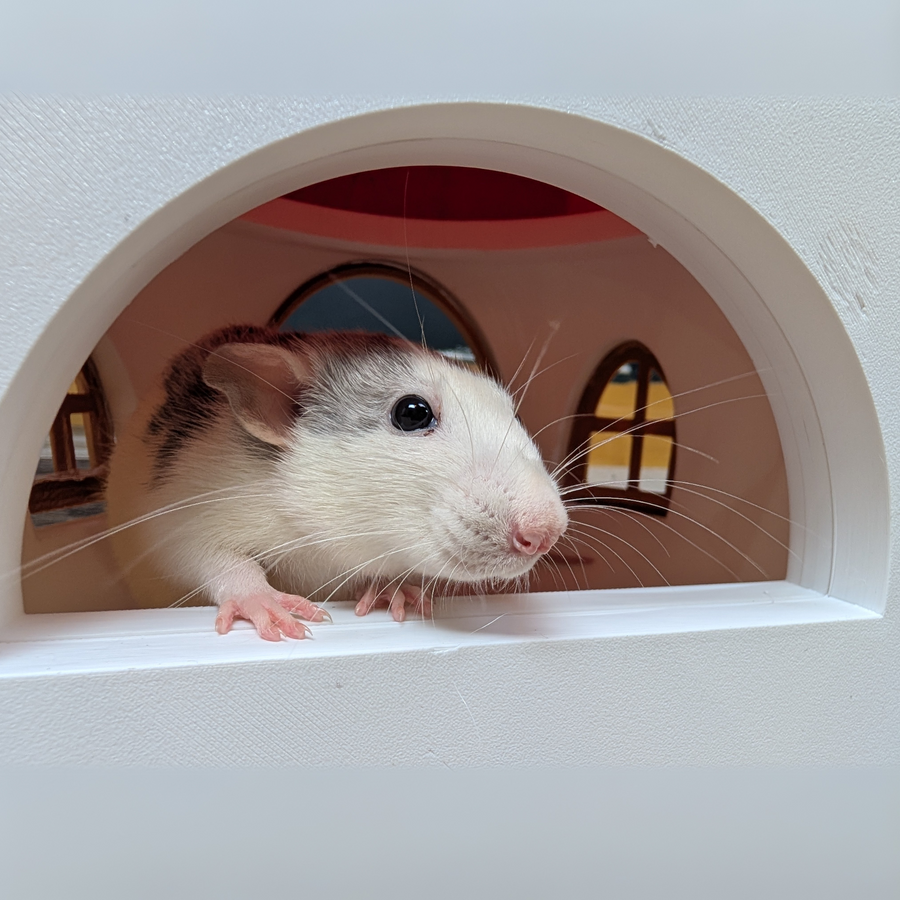
For themed hides , the growing category that rat owners are most vocal about on social media , handmade options from UK studios tend to outlast cheaply-made imports. Pieces like a witch cauldron hide or fairy mushroom house are made to be used hard, not displayed. The distinction matters when your rats will be throwing their bodyweight at something six times a day. For a deeper look at what's available, see our complete buyer's guide to rat hides by theme.
Climbing and Platforms: Vertical Space Is Enrichment
Rats are natural climbers. A tall cage with no vertical enrichment is wasted space. The goal is to use the full height of the cage with a layered system of platforms, ramps, and bridges so rats can move at every level without ever touching the base wire.
Platform options:
- Fleece-covered wooden shelves , the standard. Fleece surface protects feet and absorbs impact. Size matters: too small and rats won't use them; too large and they dominate the cage layout. 20-30cm width is a common sweet spot.
- Rope bridges , excellent for navigation between levels. Natural jute or cotton rope is preferable to synthetic. Replace before fraying reaches dangerous lengths.
- Bamboo tubes and wooden ladders , great for gnawing-while-climbing. A ladder leaned against the cage wall gives rats a predictable route they'll use every single day.
- Natural branches , apple, hazel, and pear branches are safe and provide gnawing, perching, and enrichment in one. Avoid any branch from unknown trees, treated wood, or anything gathered from sprayed areas.
Note: wooden lava ledges, once popular, are declining in the rat community. They're hard to clean thoroughly and absorb odour over time. Sealed platforms or fleece-covered options are replacing them. If you're starting from scratch, our complete accessories guide covers the full list of what goes where.

Foraging and Digging: The Fastest-Growing Category
If hammocks are the established staple, foraging and digging setups are where the rat keeping community is moving fastest right now. Driven by a shift from "enrichment as decoration" toward "enrichment as behaviour science," UK rat owners are increasingly building bioactive-style dig boxes, hiding food throughout the cage, and treating foraging as a daily practice rather than an occasional treat.
Dig boxes: A container filled with coconut coir, aspen shavings, or a bioactive substrate mix (coir, peat, sand) gives rats the digging outlet that wire cage floors completely deny them. Scatter a few treats or kibble pieces in the substrate. Most rats will spend 20-30 minutes working through it. Change or refresh the substrate weekly.
Foraging setups: Three-tier foraging towers, hanging foraging pouches, and treat-dispensing balls (solid plastic or natural materials only , not rope) all work well. The key principle: make rats work slightly for a portion of their food. Not so hard that it's frustrating, but hard enough that it engages the problem-solving behaviour they're wired for.
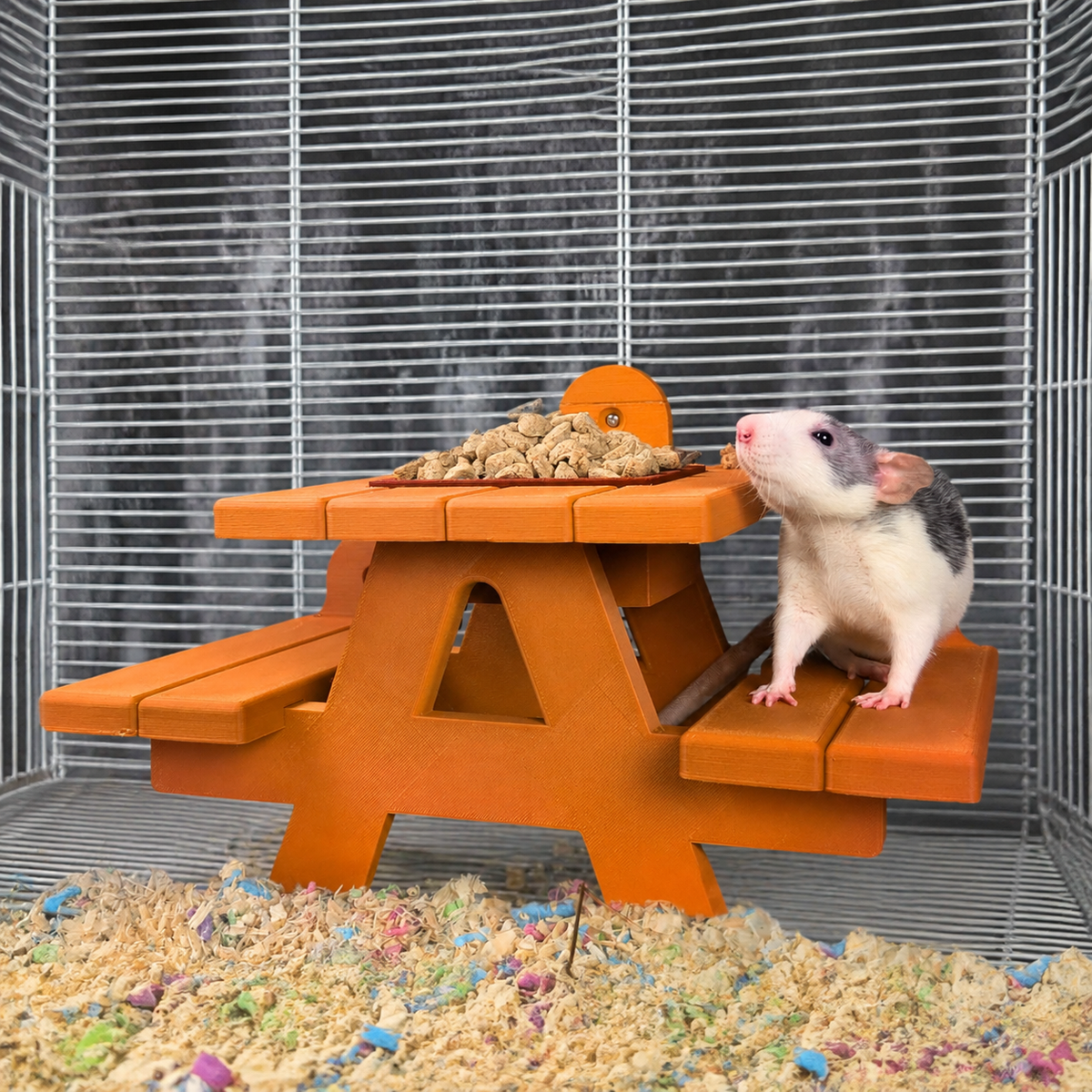
Foraging cups and attached dishes: Small cups attached to cage bars at height keep food off the cage floor, reduce soiling, and make rats climb to eat. Ceramic, stainless steel, and solid plastic options are all fine. Avoid porous materials that hold bacteria after chewing. For 35 more enrichment ideas backed by behaviour science, see our rat enrichment guide.

Wheels: The Community's Most Debated Accessory
A rat wheel is enrichment and exercise combined , but the rat community is extremely specific about which wheels are acceptable. The core requirement is a solid running surface (no rungs that can trap feet or tails) and sufficient diameter so rats run with a straight or slightly arched back, not a curved spine.
Community consensus on safe UK-accessible options:
- Silver Surfer (14.5") , solid surface, no tail gaps, widely considered the gold standard for adult rats
- Chin Sprint from Exotic Nutrition (15", 6" deep) , deep enough for rats to run without tail catching
- Pandemonium Pets chinchilla wheel (16") , popular for larger rats and multi-rat use
Avoid: Flying saucer-style wheels (spine angle), wheels with rungs or mesh surfaces, and clear plastic balls. Exercise balls for rats are actively discouraged by welfare organisations , they prevent rats from stopping when tired, cause overheating, and create navigation anxiety.
Material Safety: The Guide Nobody Has Written
Material safety is the most common source of panic in rat owner communities, and also the most under-documented topic in any accessible guide. Here is a practical reference:
Safe Woods
All safe woods should be untreated, pesticide-free, and not foraged from unknown or potentially sprayed sources. Kiln-dried pine is safe , raw pine is not (the aromatic oils in fresh pine are respiratory irritants). The following hardwoods are confirmed safe: hazel, willow, apple, pear, birch, and beech. These can be used as branches, perches, chew toys, and nest material.
Woods to Avoid
Cedar and fresh (non-kiln-dried) pine release phenols that are harmful to rat respiratory systems. Yew, cherry, plum, and elder are toxic. Any wood that has been treated, painted, varnished, or stained is unsafe regardless of species.
Safe Fabrics
Fleece is the gold standard , it doesn't fray when chewed and the threads are too short to cause gut obstruction. Cotton hammocks are acceptable but inspect regularly for fraying. Avoid: loose-weave fabrics, anything with long decorative threads, macramé with open loops, and any fabric with unknown or non-pet-safe dyes.
Safe Plastics
Hard, smooth plastic (as used in commercial food bowls and tunnels) is generally safe , rats will chew it but the pieces are typically too large to cause issues in small amounts. Avoid soft foam, expanded polystyrene, and any plastic with added scents or coatings.
Metals
Stainless steel is the safest metal for food and water vessels. Galvanised metal is generally avoided due to zinc toxicity risk if rats chew it extensively. Powder-coated cage bars are fine for normal cage use but replace any with chipped coating that rats are actively chewing.
Natural Materials
Seagrass, jute rope, sisal, lava stone, and natural cork are all popular and safe. Coconut shell hides are excellent , naturally anti-microbial and practically indestructible. Manila rope is safe; cotton rope is safe; synthetic polypropylene rope in tight weaves is generally fine but watch for fraying.
Setting Up by Budget
Not every owner is starting from scratch with unlimited funds. Here's a realistic breakdown by spend level:
Essential Setup (£0-25)
One hammock or fleece hide (can be DIY from old fleece), one plastic food dish, one water bottle or ceramic bowl, one gnaw toy (apple wood branch from a safe source), scattered foraging for part of daily food. This is the welfare minimum , functional, but without the layered enrichment that thriving rats need.
Mid-Range Setup (£25-75)
Two to three sleeping spots at different heights, a rope bridge or wooden ladder, one foraging setup (scatter tray or three-tier tower), one wheel (if budget allows , the Silver Surfer is worth prioritising), two to three platform levels with fleece covers. At this level you have a genuinely enriched cage that meets the behavioural needs of most adult rats.
Full Enrichment Setup (£75+)
Multi-level hammock system, dig box with bioactive substrate, full foraging rotation, wheel, two or more themed hides, climbing structures on every level, hanging foraging pouches, chew toy rotation. At this level the cage genuinely functions as an environment , one that rats will choose to explore and interact with throughout the day.
Accessories by Life Stage
Rat owners who account for life stage typically have much better outcomes , particularly for elderly rats, who are often under-served by generic cage setups.
Young Rats (0-6 months)
Young rats are energetic, destructive, and exploratory. Prioritise climbing and problem-solving. Wheels are important at this stage. Avoid hammocks positioned very high , young rats are still developing their landing instincts. A dig box at this age is extremely effective enrichment.
Adult Rats (6 months-18 months)
The standard adult rat setup applies fully here. Rotate accessories regularly , adult rats habituate quickly and will stop using a feature that hasn't changed in weeks. This is the stage where themed hides, complex foraging setups, and multi-level climbing really pay off. For cage styling inspiration, see our guide to rat cage aesthetics.
Elderly and Arthritic Rats (18 months+)
This is almost entirely ignored in published guides, but elderly rats have distinct needs. Reduce platform height , nothing above 20-30cm that a rat in pain would have to jump to reach. Add fleece ramps between levels rather than relying on rope climbs. Replace open hammocks with ground-level enclosed hides that elderly rats can walk into rather than climb up to. Foraging stays useful , cognitive engagement matters right to the end , but make it easier. Scatter food on a fleece mat rather than hiding it in substrate.
A cage adapted for an elderly rat is not a stripped-back cage. It's a reorganised cage , same warmth and complexity, different geometry. Our life stages guide covers the full picture from kitten to senior.
Enrichment Rotation: The Practice Nobody Talks About
The single most effective and least-discussed practice in rat enrichment is rotation. Rats habituate to static environments: a hammock they've used for three weeks becomes furniture. A hammock that reappears after two weeks away becomes a discovery. The difference in engagement is significant.
A simple rotation practice: keep two sets of accessories and swap them every 7-10 days. Wash and dry the set that's coming out, store it, bring back the other set in slightly different positions. Rearrange platform layouts when you do a deep clean. Move the dig box to a different cage corner. These small changes trigger exploration behaviour and prevent the flat affect that comes from a rat that knows every inch of its environment and stopped finding it interesting six months ago.
Where to Buy Rat Cage Accessories in the UK
UK rat owners are well-served by a strong independent maker ecosystem , better, in most cases, than mass-market pet shop alternatives.
Etsy UK is the primary marketplace for handmade rat accessories from UK sellers. Search terms that pull the best results: "rat hide UK", "rat hammock UK", "rat enrichment", "rat cage accessories handmade". Filter to UK sellers specifically to avoid US delivery costs and delivery times.
Fuzzbutt.co.uk is the most established UK specialist for rat accessories , hammocks, hides, and enrichment items with a strong community following.
RatWarehouse stocks a good range of harder accessories including the Cliffhanger hammock system and cage furniture.
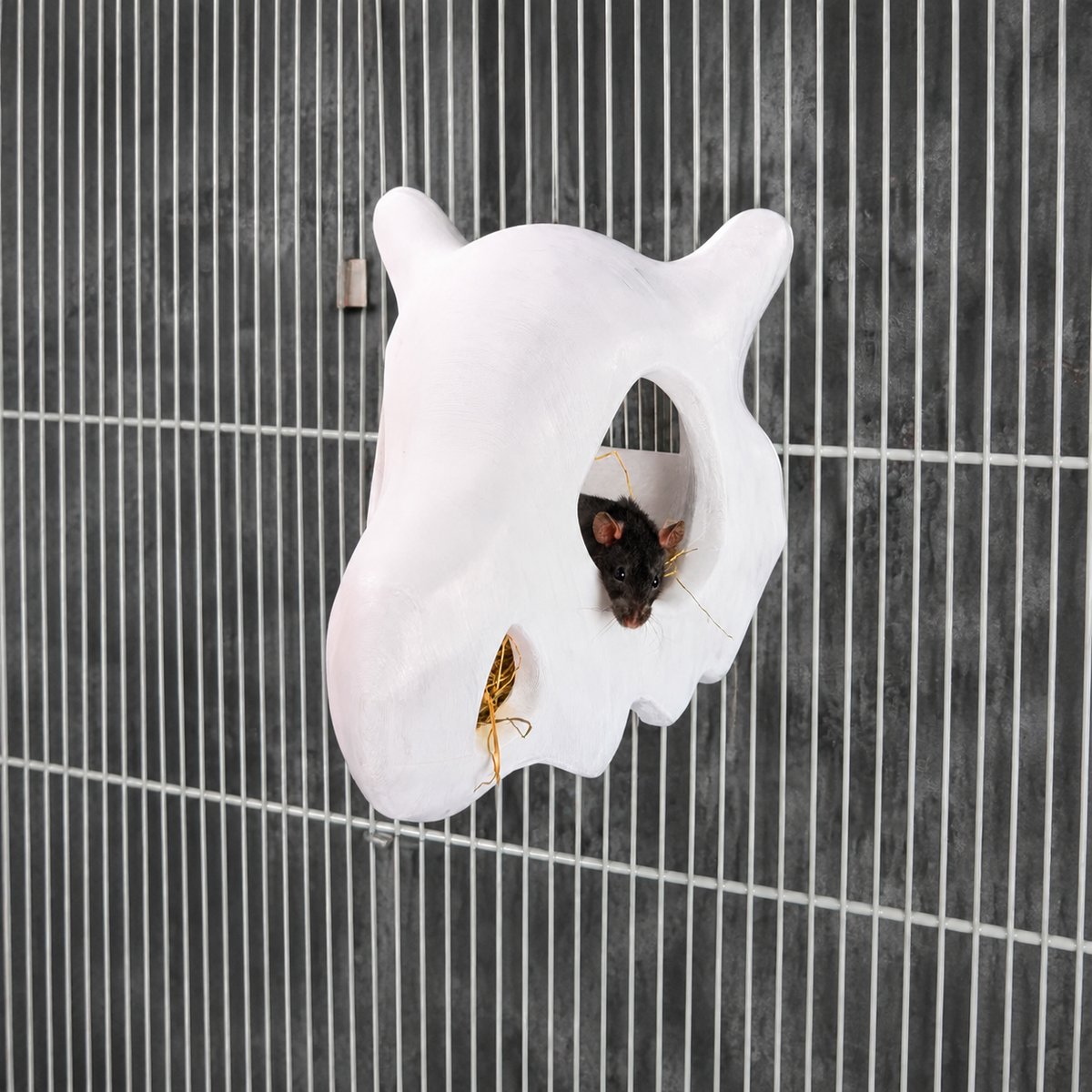
Ripleys Nest (ripleysnest.co.uk) is a small Cumbria-based studio making themed rat hides and enrichment pieces , witch cauldrons, fairy mushroom houses, skull hides, dragon shelves, and foraging cups , hand-finished in small batches. Pieces run £20-45.
New to Ripleys Nest? Join the list for 10% off your first order.
Jollyes and Pets at Home are viable for basics , water bottles, ceramic dishes, some substrate options , but their rat accessory ranges are limited. Use them for consumables, not enrichment.
For branches and natural materials: apple and hazel branches from confirmed-safe, untreated trees can be sourced from your own garden or from sellers on Facebook Marketplace and Etsy who supply bird and small-animal safe wood. Always bake branches at 120°C for 20 minutes before use to kill any parasites.
Frequently Asked Questions
How many accessories does a rat cage need?
At minimum: two sleeping spots, one foraging option, one gnaw item, and one climbing structure per pair of rats. A well-enriched cage will typically have 8-15 distinct features across all levels.
Are wooden accessories safe for rats?
Yes, if the wood is untreated, pesticide-free, and a confirmed-safe species. Kiln-dried pine, hazel, willow, apple, and pear are all safe. Cedar, fresh pine, and any treated or unknown wood are not.
How often should you change rat cage accessories?
Wash soft accessories (hammocks, hides) weekly or when visibly soiled. Rotate between two sets every 7-10 days to maintain enrichment value. Deep clean and rearrange the full cage layout monthly. For the full cleaning routine, see our cage cleaning guide.
What size wheel does a rat need?
At least 14 inches in diameter with a solid running surface and no tail gap. The Silver Surfer (14.5") and Chin Sprint (15") are the most widely recommended UK-accessible options.
What accessories do elderly rats need?
Low-level hides they can walk into (not climb up to), fleece ramps between levels, easy-access food and water, and foraging presented on a flat surface rather than buried in substrate. Reduce platform height to under 30cm to prevent injury from falls.
Can I make rat cage accessories at home?
Yes , fleece hammocks, dig boxes, foraging scatter trays, and cardboard maze inserts are all straightforward DIY projects. Use confirmed-safe materials only. Fleece is the easiest starting point: cut a rectangle, add two hanging loops, done. 71% of rat owners in UK/US communities use at least some DIY accessories.
Further reading: RSPCA , Creating a good home for your rat | PDSA , The ideal home for your rat | National Fancy Rat Society
RAT CARE
Choose the next cage piece
If the guide helped, head to the practical range next. Start with the hub, then compare hides, shelves and foraging pieces by the problem you are trying to solve.

Pieces from this guide
- Mushroom Rat Foraging Cups – Pair
- Dragon Rat Shelf Set
- Fairy Mushroom Rat Cage Accessory Kit | Hide, Shelves & Foraging Cups